All-on-6® is a full-arch restorative solution that uses six strategically placed dental implants to support a fixed prosthesis for an entire upper or lower jaw. Unlike removable dentures, the All-on-6® design creates a stable, non-removable set of replacement teeth that are meant to feel and function much more like natural dentition. For many patients, this approach restores the mechanical function of chewing and speaking while also delivering a reliable esthetic result.
Because the prosthesis is anchored to implants, patients avoid the common inconveniences of removable appliances — no nightly soaking, no adhesives, and no fear of slippage while eating or talking. The prosthetic arch is designed to be cared for with routine oral hygiene that parallels natural teeth: gentle brushing, careful flossing or water irrigation, and regular professional checkups. This blend of permanence and practicality is why restorative specialists commonly recommend All-on-6® for patients seeking a long-term alternative to traditional dentures.
At its core, All-on-6® emphasizes biomechanics and distribution of load. By using six implants, clinicians achieve broad support across the jaw, which can result in improved stability and force distribution compared with designs that rely on fewer anchors. That extra support can be particularly valuable for patients with moderate bone loss or those who want a robust solution that reduces the risk of prosthetic complications over time.
A successful All-on-6® restoration begins with careful planning. The process usually starts with a comprehensive clinical evaluation, including 3D imaging to map bone anatomy, nerve positions, and sinus locations. This digital information allows the restorative team to plan implant positions that maximize available bone and avoid vital structures. Treatment planning software also helps the team design the prosthesis so that esthetic and functional goals are addressed before any surgery takes place.
On the day of implant placement, six implants are positioned across the arch in locations chosen for optimal support. In many cases a temporary fixed set of teeth can be attached the same day or soon after surgery, restoring appearance and basic function while the implants integrate with the bone. This immediate provisional phase allows patients to leave the office with a complete smile rather than a removable appliance.
Over the following months the implants undergo osseointegration, a biological process in which bone grows around the implant surfaces to create a stable foundation. Once this integration is confirmed, the temporary prosthesis is replaced with a precisely crafted, long-term bridge. That final restoration is designed to fit comfortably, distribute chewing forces evenly, and present a natural-looking smile that complements facial proportions and bite dynamics.
One of the most tangible advantages of All-on-6® is the return of confidence in everyday activities. Patients commonly report a renewed ability to bite and chew a wider variety of foods, clearer speech, and relief from the social discomfort often associated with loose or ill-fitting dentures. Because the prosthesis is fixed in place, there is no worry about the appliance shifting or detaching during conversation or meals.
Maintenance is straightforward: the prosthesis is cleaned like natural teeth with a focus on supporting implant health. Gentle brushing, interdental cleaning around the implant interfaces, and routine professional hygiene visits are the pillars of ongoing care. Eliminating adhesives and nightly removal often simplifies daily routines, and many people find the lifestyle benefits — both practical and psychological — to be significant.
From a clinical standpoint, using six implants can decrease the need for extensive bone grafting in certain cases because implants can be distributed to leverage existing bone volume. This can mean fewer preliminary surgeries for some patients and a more direct path to functional restoration. The result is a dependable long-term solution that balances surgical efficiency with restorative robustness.
All-on-6® is appropriate for many people who have lost most or all teeth in one arch or who are facing removal of failing teeth. Good candidates typically have adequate general health, manageable medical conditions, and sufficient bone in critical areas to support implant placement. However, candidacy is not determined by a single factor — it is the outcome of a careful diagnostic workup that considers oral anatomy, bite relationships, and overall treatment goals.
Patients with certain systemic conditions, uncontrolled diabetes, or heavy tobacco use may require additional evaluation or preparatory care to reduce surgical risk and optimize healing. Likewise, individuals who have experienced significant bone loss may still be candidates if bone-grafting procedures or alternative implant angulations can provide reliable support. A personalized consultation clarifies these possibilities and outlines a pathway that balances safety and predictability.
Because All-on-6® is a comprehensive restorative strategy, successful outcomes depend on collaboration between the patient and the clinical team. Clear expectations about the timeline, the phases of treatment, and the required postoperative care help align the plan with each patient's lifestyle and health profile. This partnership-oriented approach is central to achieving durable, satisfying results.
Early recovery after All-on-6® typically involves a short period of soreness and dietary adjustment while tissues heal and implants begin integrating. Patients are provided with postoperative instructions that cover pain control, oral hygiene during healing, and dietary recommendations to protect the provisional prosthesis. Most people are able to return to normal light activities within a few days, though full functional loading and diet progression follow the clinician’s assessment of integration and tissue health.
Long-term success centers on routine maintenance. Regular professional exams and cleanings allow clinicians to monitor implant health, prosthetic fit, and surrounding tissues, addressing any wear or changes early. Proper home care — including careful brushing and cleaning beneath the prosthesis when appropriate — helps prevent plaque accumulation and inflammation around the implants, which is essential for longevity.
Prosthetic components are designed to be serviceable, meaning that if repairs, relines, or component replacements become necessary, they can be performed without completely redoing the implant foundation. With consistent care and periodic professional oversight, many patients enjoy years of reliable function and esthetics from an All-on-6® restoration.
Full-arch implant rehabilitation requires seamless coordination between surgical placement and prosthetic design. A specialist-trained prosthodontist brings focused expertise in oral biomechanics, prosthesis fabrication, and esthetic integration — ensuring the final result performs well and looks natural. When the surgical and restorative teams work closely from planning through delivery, the margin for predictable outcomes increases substantially.
At a practice that emphasizes both advanced digital workflows and restorative artistry, patients benefit from precise planning tools, high-quality laboratory partnerships, and meticulous attention to occlusion and facial harmony. These elements together reduce the risk of complications and enhance the overall patient experience, from the provisional phase through long-term maintenance.
If you are exploring options for replacing a full arch of teeth, discussing All-on-6® with a prosthodontic team can clarify whether it aligns with your goals. The Haddon Dentist approaches full-arch care with evidence-based techniques, contemporary digital planning, and a focus on durable, natural-looking results.
To learn more about how All-on-6® might address your needs or to schedule a consultation, please contact us for additional information and personalized guidance.


All-on-6® is a full-arch restorative approach that uses six dental implants to support a fixed prosthesis for an entire upper or lower jaw. The design provides a non-removable arch that is intended to function and feel more like natural teeth than traditional removable dentures. This solution emphasizes stability, even load distribution, and long-term prosthetic support.
Because the prosthesis is anchored directly to implants, patients avoid nightly removal, adhesives, and many common denture-related inconveniences. Home care resembles caring for natural teeth, with brushing, interdental cleaning, and routine professional checkups. The overall goal is to restore chewing function, speech clarity, and esthetics in a durable form.
Good candidates are adults who have lost most or all teeth in an arch or who are facing extraction of failing teeth and desire a fixed restorative solution. Candidacy depends on overall health, oral anatomy, and realistic expectations; clinicians evaluate bone volume, soft tissue condition, and medical history during a comprehensive workup. Certain systemic conditions or lifestyle factors may require additional planning or preparatory care to optimize healing.
Patients with moderate bone loss can still be candidates because six implants allow distribution across available bone, and adjunctive procedures such as targeted grafting or angled implant placement can expand options. A personalized consultation including 3D imaging helps determine whether All-on-6® is appropriate and outlines any preparatory treatments that may be recommended. The decision balances surgical feasibility, prosthetic goals, and the patient's timeline for care.
Traditional removable dentures rest on the gums and rely on suction or adhesives, whereas All-on-6® is a fixed implant-supported arch that attaches to titanium implants anchored in the jaw. This fixed connection reduces or eliminates the slipping and adhesive dependence associated with removable appliances, improving function for biting and speaking. The prosthesis also transmits chewing forces to implants and the bone, which helps restore more natural biomechanics.
Maintenance routines for an All-on-6® prosthesis emphasize implant health and include regular professional evaluations to monitor tissue response and prosthetic fit. Because the restoration is serviceable, clinicians can often repair or replace prosthetic components without removing the implants themselves. The result tends to be greater comfort, function, and patient confidence compared with many removable options.
Treatment planning begins with a thorough clinical exam and diagnostic imaging, typically including cone beam CT scans to evaluate bone anatomy, nerve locations, and sinus positions. Digital planning software is used to simulate implant positions, design the prosthesis, and coordinate surgical guides that improve placement accuracy. This preoperative work allows the team to address esthetic and functional goals before any surgery takes place.
The planning phase also includes assessment of bite relationships, available restorative space, and any need for extractions or soft tissue management prior to implant placement. A multidisciplinary plan helps anticipate prosthetic requirements and sequencing of care, reducing intraoperative guesswork. Clear preoperative guidance helps patients understand the timeline, temporary solutions, and expected milestones.
Many patients receive a provisional fixed prosthesis on the day of implant placement or shortly thereafter, a process often described as immediate provisionalization. This temporary arch restores appearance and basic chewing function while implants undergo osseointegration, but it is typically designed for limited loading according to the clinician's assessment. Immediate provisionalization allows patients to leave the office with a complete smile instead of a removable appliance.
Final restoration is placed after a period of healing when integration and tissue stability are confirmed through clinical and radiographic evaluation. The provisional prosthesis is engineered to protect implants and soft tissues during this phase and to guide esthetic and functional outcomes for the definitive bridge. Throughout, patients receive instructions to protect the provisional restoration and promote predictable healing.
Initial recovery commonly involves swelling, mild to moderate discomfort, and a short period of dietary modification while tissues heal and implants begin to integrate. Clinicians provide detailed postoperative instructions covering pain management, oral hygiene around the provisional prosthesis, and recommended foods to minimize stress on the implants. Most patients resume light daily activities within a few days, with progressive dietary advancement guided by clinical evaluation.
Follow-up appointments during the first weeks and months are important to monitor healing, remove sutures if present, and confirm implant integration through clinical and radiographic assessment. Any concerns such as persistent pain, unusual swelling, or changes in the fit of the provisional device should be reported promptly to the dental team. Adherence to postoperative instructions significantly supports successful integration and transition to the long-term restoration.
Long-term care focuses on maintaining implant health and prosthetic integrity through consistent home hygiene and regular professional maintenance visits. Home care typically includes gentle brushing of the prosthesis, use of interdental brushes or water irrigation to clean under the bridge, and attention to soft tissues surrounding the implants. These measures help control plaque and reduce the risk of peri-implant inflammation.
Professional follow-up usually includes periodic examinations, hygiene visits to remove hard deposits, and assessment of occlusion and prosthetic components for wear or loosening. Prosthetic parts are designed to be serviceable, allowing for repairs, relines, or component replacement without removing the implants themselves. Ongoing monitoring and timely intervention preserve function and extend the life of the restoration.
As with any surgical procedure, All-on-6® carries risks including infection, implant failure, nerve injury, and peri-implant inflammation; careful planning and sterile technique reduce these risks. Early identification of complications through scheduled follow-ups enables conservative management, which may include antibiotics, adjustments to the prosthesis, or localized soft tissue treatment. In rare cases, implant revision or replacement may be necessary if integration fails.
Preventive measures such as smoking cessation, control of systemic conditions, and strict oral hygiene practices decrease complication rates and support predictable outcomes. The prosthodontic team develops a maintenance plan tailored to each patient's risk profile and will coordinate with medical providers when systemic issues may affect healing. Transparent communication and prompt care for emerging problems are central to managing risk effectively.
Bone volume and density influence implant selection, positioning, and the need for adjunctive procedures; however, the six-implant concept allows clinicians to distribute implants to make use of existing bone. When localized bone deficiencies exist, techniques such as targeted bone grafting, ridge augmentation, or angled implant placement can often create a stable foundation for the prosthesis. A detailed 3D assessment clarifies where grafting may be required and how to sequence those interventions.
In some cases, the distribution afforded by six implants reduces the extent of grafting needed compared with designs that rely on fewer anchors, offering a more direct path to restoration for certain patients. The treatment plan balances surgical complexity, healing time, and long-term prosthetic goals to arrive at an individualized approach. A prosthodontic team will present options and explain any preparatory procedures necessary to achieve a durable result.
A prosthodontist brings specialized training in oral biomechanics, esthetic integration, and prosthesis fabrication that is particularly valuable for full-arch implant rehabilitation. This expertise supports precise planning of implant positions, occlusion, and facial harmony while coordinating with surgical colleagues to achieve predictable outcomes. Advanced digital workflows and prosthetic-focused decision making help minimize complications and produce restorations that meet functional and esthetic objectives.
The Haddon Dentist offers a prosthodontic-centered approach that emphasizes meticulous planning, high-quality laboratory partnerships, and long-term maintenance strategies specific to implant-supported arches. Working with a specialist-trained team ensures attention to both the surgical and restorative phases of care, improving the likelihood of a durable, natural-looking result. Patients benefit from integrated planning, clear communication, and continuity of care throughout the process.
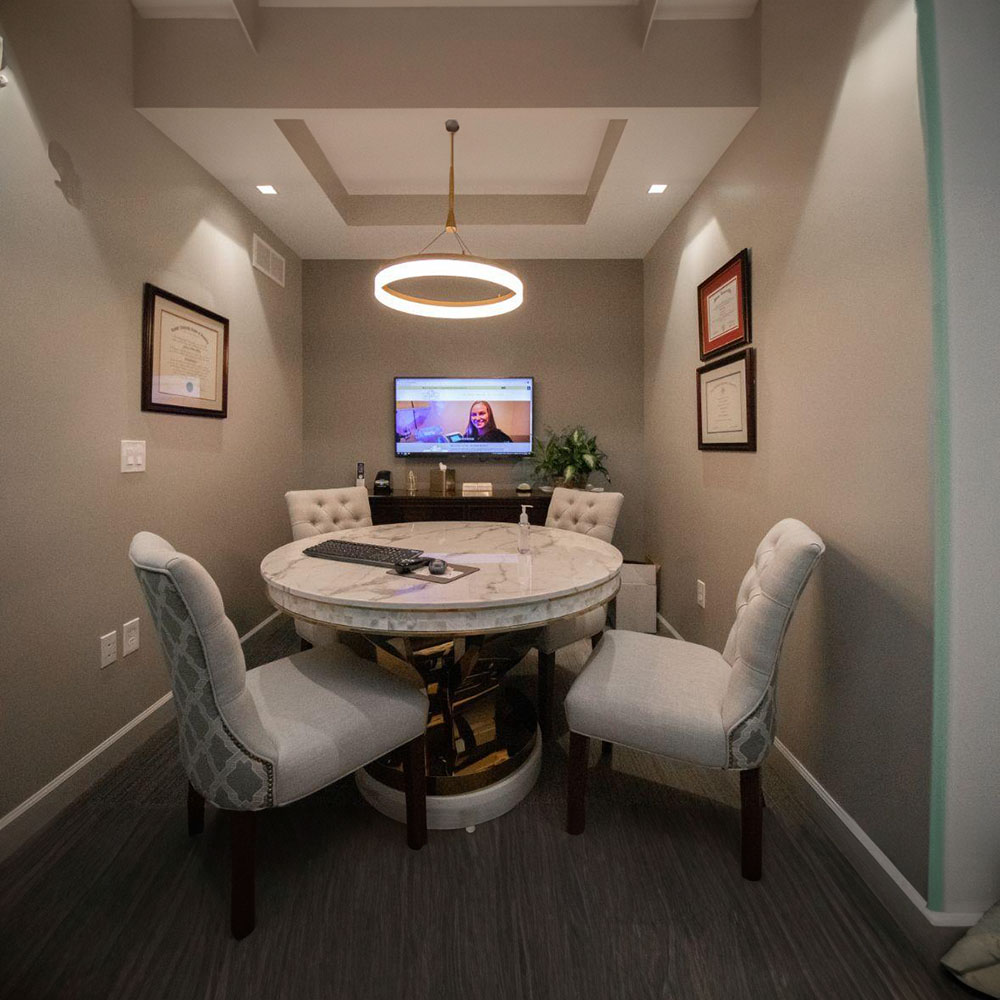
The path to a restored, high-functioning smile is a journey of precision, and it begins with a single, focused conversation. We invite you to experience the intersection of clinical mastery and uncompromising luxury at The Haddon Dentist. Whether you are seeking the immediate results of CEREC® same-day crowns, exploring the life-changing benefits of dental implants, or ready to revitalize your aesthetic with professional teeth whitening, we are here to curate a plan tailored exclusively to you. Your time is your most valuable asset, and we cherish the opportunity to provide the elite care you deserve in an environment that respects your comfort and your goals.