CEREC (Chairside Economical Restoration of Esthetic Ceramics) streamlines restorative care so patients leave with a finished, permanent restoration in a single visit. For many people, the biggest advantage is simply the time saved: instead of returning for multiple appointments and wearing a temporary crown during the interim, you receive a custom-matched ceramic restoration while you wait.
Beyond convenience, same-day restorations reduce exposure to interim failures—no more temporary crowns that can fracture, come loose, or allow bacteria to enter around a tooth. Because the restoration is designed and fitted immediately, the margin adaptation and contacts are adjusted in real time, which helps support better long-term outcomes.
This approach is particularly valuable for patients with busy schedules, those who travel frequently, or anyone who prefers fewer appointments without compromising quality. When performed by a skilled prosthodontic team, same-day CEREC crowns provide both the cosmetic integration and structural support expected from traditional lab-made ceramics.
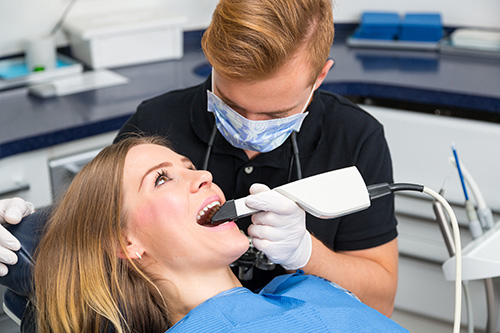
Your CEREC visit begins with a thorough assessment and preparation of the tooth, just as with a conventional crown. Instead of taking a physical impression, we use an ergonomic intraoral scanner to capture high-resolution, three-dimensional images. Most patients find this method more comfortable than impression trays and putty, which can trigger gag reflexes or discomfort for some.
After the scan, the restoration is digitally designed on-screen. The dentist can make aesthetic and functional adjustments—shade, shape, and occlusion—until the fit and appearance meet precise standards. Because this process happens chairside, you are often invited to approve the shape or shade, creating a collaborative experience that aligns results with your expectations.
Once the digital design is finalized, the file is sent to an onsite milling unit that carves the restoration from a solid block of high-strength ceramic. After final polishing and any necessary surface characterization, the crown is bonded into place. The entire sequence is efficient yet meticulous, combining patient comfort with laboratory-grade precision.
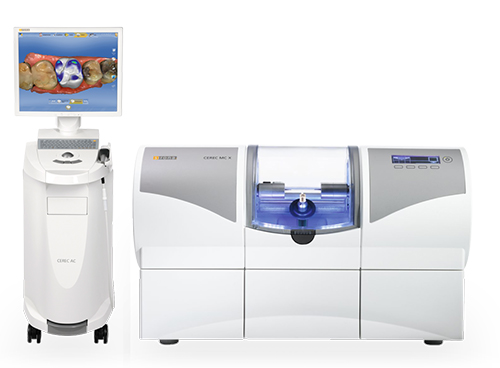
The strength of CEREC lies in its integrated digital workflow: intraoral scanning, CAD (computer-aided design), and CAM (computer-aided manufacturing). The scanner records fine surface detail and spatial relationships so the design software can generate an anatomically accurate restoration that fits the prepared tooth and neighboring dentition.
Design software allows clinicians to refine occlusal contacts and contouring before fabrication, reducing the need for excessive chairside adjustments. The milling unit then fashions the restoration from a ceramic block with tight tolerances, producing a restoration that closely matches lab standards for fit and function.
Because the process is immediate and visible, the clinician can address potential fit issues in real time. This direct feedback loop—scan, design, mill, and place—reduces uncertainty and delivers a restoration that meets both functional demands and cosmetic goals without prolonged interim steps.

CEREC restorations are milled from high-quality ceramic materials selected for their combination of strength and esthetics. Unlike metal-based crowns, contemporary ceramics mimic the light-reflective properties of natural enamel, producing restorations that blend with adjacent teeth and provide a lifelike appearance.
When properly designed and bonded, these ceramics exhibit excellent wear resistance and long-term stability. The bonding process creates a unified structure between the tooth and restoration, helping to distribute functional forces and protect remaining tooth structure.
Appropriate material selection and careful occlusal management are important for longevity. Your clinician will evaluate factors such as bite patterns, bruxism risk, and the location of the restoration to determine the best ceramic option and cementation protocol for a durable, natural result.
CEREC is well-suited for many restorative needs: single crowns, inlays, onlays, and certain anterior restorations. Ideal candidates include patients who want to minimize appointment time, those who prefer to avoid temporaries, and anyone seeking a predictable, esthetic ceramic solution. Your clinician will consider the tooth’s condition, occlusal forces, and overall treatment plan to confirm whether a same-day approach is appropriate.
After placement, care for a CEREC restoration is similar to natural teeth: maintain daily brushing and flossing, wear any prescribed nightguard if you grind your teeth, and attend regular dental checkups so the restoration and surrounding tissues can be monitored. Routine professional cleanings help preserve margins and detect issues early.
If adjustments are needed after placement, a same-day restoration is often easier to refine because the design and milling process are managed in-house. With sensible habits and proper maintenance, many patients enjoy years of reliable performance from CEREC restorations.
At The Haddon Dentist, our approach emphasizes precise planning and individualized care so your restoration not only looks natural but supports lasting oral health. If you have questions about whether CEREC is right for your situation, please contact us for more information.


Today, there's no need to merely imagine how nice it would be to have a dental crown fabricated in a single visit. With CEREC technology and advanced systems of care, multiple trips to the dentist are a thing of the past! Now, one appointment is all it takes for our skilled and experienced dentist to design, fabricate, and place a naturally beautiful and long-lasting same-day crown. And, best of all, unlike conventional methods of care, you won't have to endure messy dental impressions, wear a temporary crown, or wait weeks for your permanent restoration to come back from the laboratory.
Offering a level of precision and comfort that exceeds conventional methods of care, CEREC technology is nothing short of amazing! Advanced CAD/CAM technology, which stands for computer-aided design and computer-aided manufacturing, enables our dentist to translate images from an optically scan tooth into a 3D virtual model upon which a custom crown can be digitally designed. Once this step is done, the detailed specs are then wirelessly transmitted to a chairside 3D milling machine to fabricate your new ceramic crown while you wait!
With conventional methods of care, a dental crown can take two to three visits to fabricate and place. However, thanks to the benefits of CEREC technology, we can prepare a tooth, then design, fabricate, and place your new crown, all while you wait.
With CEREC same-day crowns, there's none of the mess of conventional dental impressions, wearing dental temporaries, or waiting for the final crown to come back from the lab. Once the prepared tooth is optically scanned and the restoration digitally designed, your new crown can be milled from the highest quality of dental ceramics that very same visit.
CEREC same-day crowns and restorations are fabricated from the highest quality of dental ceramics. Because dental porcelain reflects light in much the same way as dental enamel, your new crown will look flawless, completely natural, and blend seamlessly with your smile.
A CEREC same-day crown offers much more than a convenient approach to getting a dental crown. It is also a high quality, naturally beautiful, extremely durable, and long-lasting dental restoration! The fact is, with proper oral hygiene and routine dental care your new crown will serve your smile well for many years to come.
CEREC is a digital restorative system that combines intraoral scanning, computer-aided design (CAD) and chairside milling to produce finished ceramic restorations in a single visit. The process begins with a high-resolution digital scan of the prepared tooth, which eliminates the need for traditional impression trays and putty. That digital model is used to design a custom restoration that is milled onsite from a solid ceramic block and then polished, characterized if needed, and bonded into place.
The integrated workflow allows the clinician to control every step of fabrication in real time, improving margin fit and occlusal contacts before final placement. Because the restoration is produced and placed during one appointment, patients avoid temporaries and multiple visits. When delivered by a prosthodontic practice with an advanced digital workflow, CEREC restorations can match laboratory standards for function and esthetics.
Same-day CEREC restorations offer substantial time savings by completing the treatment from scan to seat in a single appointment, which is useful for patients with limited availability. Eliminating temporaries reduces the risk of interim failures such as fracture, debonding, or microleakage and minimizes the chance of bacterial contamination around the prepared tooth. The chairside design phase also allows immediate adjustments to shape, occlusion and shade, creating a more collaborative outcome between clinician and patient.
From a clinical perspective, the immediate feedback loop of scanning, designing and milling helps the team address fit issues before cementation, which can improve long-term performance. Many patients appreciate the comfort of digital impressions compared with conventional trays and putty. Overall, this approach balances convenience with a meticulous, laboratory-grade fabrication process.
Digital scanning captures three-dimensional surface detail and spatial relationships using an ergonomic intraoral scanner, which most patients find more comfortable than impression trays and putty. The digital file can be manipulated instantly on-screen for margin verification and design refinements, allowing the clinician to detect and correct potential issues before fabrication. This immediacy reduces the chance of remakes caused by distorted or incomplete impressions.
Because the scan is a precise digital record, it can be archived and reused for future restorations or restorations of adjacent teeth, supporting continuity of care. The reduced gag reflex and shorter appointment segments improve patient tolerance, especially for those who have difficulty with conventional impressions. Additionally, the digital workflow streamlines communication and documentation within the practice.
CEREC is versatile and can be used to fabricate single crowns, inlays, onlays and certain anterior restorations with high esthetic demands. The system is particularly well suited for restorations that benefit from precise marginal adaptation and accurate occlusal relationships, such as posterior crowns and large occlusal restorations. For more complex multi-unit cases or when specific materials are required, the clinician will evaluate whether an in-lab restoration is preferable.
Because CEREC materials include a variety of high-strength ceramics, clinicians can select options appropriate for the tooth's location, functional load and esthetic needs. The digital design tools also allow fine-tuning of contours and contacts to support periodontal and occlusal health. In short, CEREC covers a broad range of single-tooth restorative needs when indicated by the treatment plan.
Good candidates include patients who want to minimize appointments, avoid temporary crowns, or prefer the comfort of digital impressions. Clinicians will also consider the tooth's structural condition, occlusal forces, and the presence of bruxism or extensive restorations when determining suitability. Patients with straightforward single-tooth needs—such as a fractured cusp, large decay, or a failed restoration—are often excellent candidates for a same-day approach.
Certain clinical situations, such as severely compromised teeth requiring complex build-ups, multi-unit bridges, or when specific lab-processed materials are necessary, may call for an alternative workflow. Your clinician will review diagnostic records and discuss whether a chairside restoration is the best option for your long-term oral health. Patient preferences, functional demands and overall treatment planning guide the final recommendation.
CEREC restorations are milled from high-quality ceramic blocks engineered for strength and esthetics, including materials that mimic the translucency and light-reflective properties of natural enamel. Contemporary ceramics offer a range of shades and translucencies so restorations can be matched to adjacent teeth for a lifelike appearance. After milling, restorations may be stained, glazed or polished to enhance characterization and surface texture for improved esthetic integration.
When properly selected and bonded, these ceramics provide both visual harmony and functional resilience for many indications. The precise fit achieved by the digital workflow also improves margin adaptation and reduces the visibility of restorative interfaces. Material choice is tailored to the tooth location and the patient's bite to balance strength with natural-looking esthetics.
Your visit will begin with a thorough examination and any necessary tooth preparation, followed by a digital scan of the prepared area using an intraoral camera. The restoration will be designed chairside on a computer monitor, allowing the clinician to refine shape, contacts and shade while you review the proposed outcome. Once the design is finalized, the restoration is milled onsite, finished and bonded in the same appointment.
The entire sequence is managed by the prosthodontic team to ensure clinical precision and esthetic refinement before cementation, and routine postoperative instructions are provided for care. Patients often appreciate returning to normal function quickly without a temporary restoration. If adjustments are needed after placement, they can typically be addressed promptly within the practice.
CEREC crowns made from modern ceramics exhibit strong wear resistance and can perform reliably for many years when properly designed and bonded. Longevity depends on several factors including material selection, the quality of the bond, occlusal forces, parafunctional habits like grinding, and the patient’s oral hygiene. Proper occlusal management and attention to contact points during the design phase help distribute functional stresses and contribute to long-term success.
Regular dental checkups allow the clinician to monitor margins and detect early signs of wear or marginal breakdown so that maintenance can be timely. In some cases, protective measures such as a nightguard are recommended to protect any ceramic restoration from excessive forces. With sensible habits and professional oversight, CEREC restorations can be a durable solution for single-tooth replacement.
Caring for a CEREC restoration is similar to caring for natural teeth: maintain twice-daily brushing with a fluoride toothpaste, daily interdental cleaning, and attend regular professional cleanings and exams. Avoid using teeth as tools to open packages and minimize habits that place abnormal forces on restorations, such as chewing ice or hard, non-food items. If you have a history of bruxism, follow your clinician's guidance about a protective nightguard to reduce wear and risk of fracture.
During recall visits, the clinician will evaluate the restoration’s margins, contacts and surrounding tissues to ensure ongoing health and function. Promptly report any sensations of looseness, persistent sensitivity or changes in bite so adjustments can be made early. Proactive maintenance preserves both the restoration and the supporting tooth structure for better long-term outcomes.
CEREC is highly capable but not universal; cases requiring complex multi-unit prostheses, specialized laboratory materials, or extensive full-arch rehabilitation may be better served by traditional lab workflows. Teeth with minimal remaining structure that need advanced build-up procedures or situations demanding specific alloy-based options are also potential contraindications. The clinician will assess structural needs, occlusal load and overall treatment goals to determine the most predictable approach.
In some clinical situations, a staged treatment plan involving temporization and laboratory fabrication may offer superior long-term prognosis. The decision to use CEREC is based on individualized planning and a commitment to durable, esthetic results rather than convenience alone. Your prosthodontic team will recommend the workflow that best supports your oral health and functional needs.
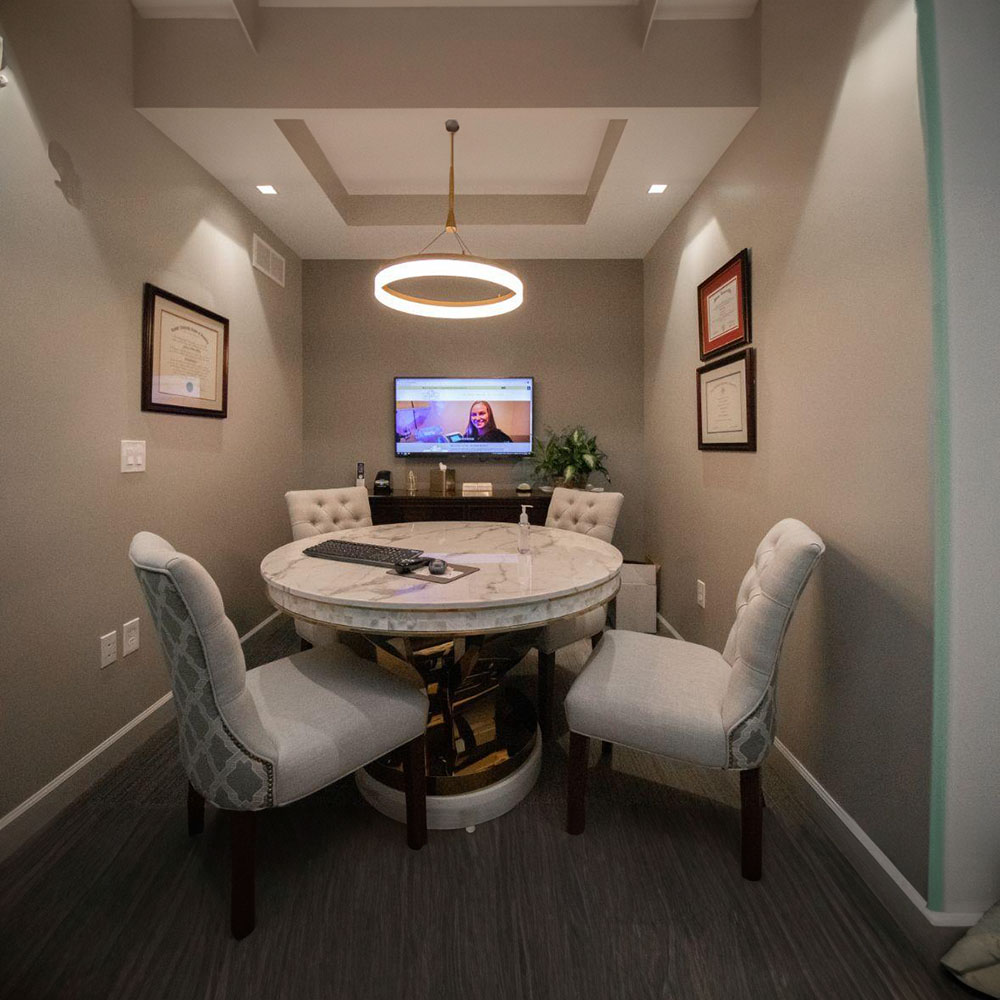
The path to a restored, high-functioning smile is a journey of precision, and it begins with a single, focused conversation. We invite you to experience the intersection of clinical mastery and uncompromising luxury at The Haddon Dentist. Whether you are seeking the immediate results of CEREC® same-day crowns, exploring the life-changing benefits of dental implants, or ready to revitalize your aesthetic with professional teeth whitening, we are here to curate a plan tailored exclusively to you. Your time is your most valuable asset, and we cherish the opportunity to provide the elite care you deserve in an environment that respects your comfort and your goals.