A confident smile shapes how the world sees you and how you feel about yourself. When your teeth look healthy and balanced, you smile more easily, speak with assurance, and carry yourself with greater poise. Cosmetic dentistry focuses on those visible details—color, shape, spacing, and symmetry—that make a smile feel like it truly belongs to you.
Many adults live with small imperfections—stains, chips, slightly crowded or spaced teeth—that quietly diminish their confidence. Modern cosmetic dentistry offers predictable, conservative ways to address those concerns and deliver natural-looking results. The goal is always a durable, comfortable smile that complements your face and your lifestyle.
Every smile tells a story, and a successful cosmetic plan begins with understanding the person behind the smile. We take time to listen to your concerns, learn what you would like to change, and explain realistic outcomes so you can make informed choices. A cosmetic consultation is a collaborative conversation—your goals guide clinical decisions.
Our approach balances artistry and function. We consider tooth proportion, gum contours, facial features, and bite mechanics to craft results that look effortless and natural. That means refining details like shade, translucency, and alignment so restorations blend seamlessly with your existing teeth.
At the office of The Haddon Dentist, digital imaging and careful treatment planning let patients preview potential changes before care begins. With this visual framework, you and your clinician select procedures that match your expectations and long-term oral health needs. The emphasis is always on minimally invasive treatments whenever possible.

Cosmetic dentistry today is as much about science as it is about aesthetics. Advances in dental ceramics, resin composites, and adhesive techniques allow us to conserve tooth structure while achieving lifelike results. Porcelain and pressed ceramic materials replicate the way natural enamel reflects light, giving restorations depth and vitality.
Digital tools—high-resolution imaging, intraoral scanning, and computer-assisted design—streamline planning and improve precision. These technologies help us design proportions and contours that suit each patient, and they often reduce the number of visits needed to complete treatment. The result is a more predictable process and a final outcome that feels individualized.
Biocompatible materials and refined laboratory techniques also contribute to longer-lasting esthetics. When restorations are matched to the tooth’s natural shape and color and bonded correctly, they resist staining and wear while preserving oral health. Longevity is a key consideration alongside appearance.
Some patients want a subtle refresh—brighter teeth or smoother edges—while others are looking for a more dramatic transformation. Cosmetic dentistry offers a spectrum of options that range from gentle, reversible changes to comprehensive smile makeovers. Treatment is selected based on the condition of your teeth, bite, and your personal goals.
Conservative treatments can address many common complaints quickly and comfortably. For example, surface blemishes and small chips are often corrected without removing sound tooth structure. When more extensive repair is needed, materials and techniques are chosen to restore strength and natural appearance.
Before recommending any procedure, we consider how each option will affect chewing function, oral hygiene, and neighboring teeth. A successful cosmetic result is one that not only looks attractive but also fits into a healthy, maintainable oral environment.

Composite bonding repairs minor chips, smooths rough edges, and closes narrow gaps using tooth-colored resin. The material is shaped directly on the tooth and polished to match surrounding enamel, delivering fast, conservative improvements that preserve most of the natural tooth.
When decay or wear needs repair, modern composite fillings replace lost structure with materials that blend visually and bond securely to the tooth. These restorations restore function while avoiding visible metal, helping maintain a cohesive, natural smile.
In-office and professionally supervised take-home whitening systems provide controlled, effective lightening of tooth color. These methods are safer and more predictable than many over-the-counter products, and they can be tailored to minimize sensitivity while achieving a brighter appearance.
Thin, custom-crafted porcelain veneers can transform size, shape, and shade across multiple front teeth. Veneers are an excellent option for correcting discoloration, worn enamel, or teeth that are misshapen, producing a uniform and elegant result when planned with attention to facial harmony.
When a tooth needs substantial restoration—because of fracture, previous large restorations, or structural weakness—a full-coverage crown rebuilds form and function. Contemporary crowns use high-quality ceramics to mimic natural anatomy while providing strength for long-term use.
Lost teeth change the way a smile looks and how it functions. Restoring those spaces is an important part of many cosmetic plans, because well-designed replacements support facial structure and help protect adjacent teeth. Options range from conservative bridgework to implant-based restorations that replicate both tooth and root.
Dental implants and implant-supported restorations are often considered when patients want a solution that closely mimics a natural tooth in appearance and function. Bridges and carefully crafted removable options remain appropriate for many situations, and we work with each patient to select the most suitable approach for their needs.
Regardless of the method chosen, attention to proportion, emergence profile, and color matching ensures replacement teeth fit seamlessly with the rest of your smile. Our goal is to restore both the look and the confidence that a complete smile provides.

Successful cosmetic care follows a thoughtful sequence: assessment, planning, preview, and execution. During the assessment we evaluate oral health, discuss aesthetic goals, and identify any functional issues that should be addressed first. Planning often includes digital imaging or mock-ups so you can see potential outcomes before treatment begins.
Communication is central to the process. We describe the advantages and considerations for each option, outline the steps involved, and set expectations for maintenance. This transparency helps patients make choices that fit their priorities and daily lives.
Because a beautiful smile should also be healthy, restorative and preventive care are coordinated with cosmetic goals. When necessary, we stabilize teeth, treat disease, and optimize oral conditions so cosmetic work is supported by a sound foundation.
Cosmetic dentistry can be both transformative and subtle; the most pleasing results often enhance your natural features rather than overpower them. Whether you are considering a slight brightening, repairing a damaged tooth, or a full cosmetic renewal, careful planning and modern materials make it possible to achieve outcomes that look authentic and feel comfortable.
If you would like to explore cosmetic options and see what might work best for your smile, our team is available to guide you through the process. We combine clinical experience with current technology to deliver refined, long-lasting results.
To learn more or to schedule a cosmetic consultation, please contact us for additional information and next steps.


Cosmetic dentistry offers solutions to improve the look of teeth that are stained, discolored, chipped, worn down, misshapen, a little gapped, or misaligned. It combines the art and science of dentistry to transform a less-than-perfect smile into one that looks naturally beautiful while at the same time enhancing overall facial aesthetics.
The great thing about cosmetic dentistry is that it offers multiple solutions to quickly improve the look of one’s smile. It all depends on your specific dental needs and cosmetic smile goals. While procedures such as teeth-whitening, tooth-colored fillings, and dental bonding typically provide dramatic improvements in just a single visit, others such as dental veneers only take a couple of visits.
A teeth whitening procedure as provided by our office is often the simplest, quickest, and most effective way to significantly lighten and brighten your smile.
Porcelain veneers are capable of concealing a range of imperfections, dramatically improving the look of teeth that are misshapen, have minor chips, enamel defects, or stains. They also provide an excellent solution for closing small gaps as well as addressing other minor alignment issues. While teeth whitening procedures can effectively treat many cases of dental stains or discolorations to produce cosmetically pleasing results, darker stains, as well as specific issues involving the size, shape, and alignment of the teeth, are better addressed with porcelain veneers.
How a back tooth is repaired and restored depends on the extent of the cavity or damage it has sustained. In many cases, a tooth-colored filling is often sufficient to restore the form and function of a back tooth. However, when a significant amount of tooth structure is damaged, or the tooth has had a root canal, it’s often necessary to fabricate a full coverage crown. In this way, the remaining tooth structure is protected from further damage while full function and a natural-looking smile is restored.
Whether or not a chipped or fractured tooth requires a dental crown depends on the extent of the damage. Some minor chips can be addressed with a dental bonding procedure or a veneer. When a significant amount of tooth structure is lost, rebuilding the form and function of the involved tooth may require a full coverage crown.
While conventional dental bridges and dentures offer effective and satisfying ways to rebuild a complete and attractive smile, dental implants represent the most advanced solutions for replacing missing teeth. With dental implants, our office can replace a single tooth or multiple ones to give you a smile that feels, looks, and functions like a natural one. Dental implants behave in much the same way as the root of an actual tooth, providing stable, secure, and long-lasting results of care.
How long your teeth whitening lasts depends on your lifestyle. Eating, drinking, and smoking habits can have a big impact on maintaining your result. Our office will inform you which food, beverages, or habits can stain your newly whitened smile. As needed, we’ll also help you maintain a white and vibrant smile with a periodic, safe, and effective touch-up whitening procedure.
At the office of The Haddon Dentist, we want every patient to enjoy the benefits of a beautiful and healthy smile. We strive to make dental care affordable and accessible. Improving the look of your smile is a worthwhile investment, and we always try to optimize any dental insurance benefits to cover your work. However, it’s essential to keep in mind that cosmetic dental procedures may not be covered by your plan. You can count on our office to explain every cosmetic option available to address your needs and the fees involved. To help you begin care without any additional stress or delay, we can discuss different payment options and financing plans.
Although achieving aesthetically pleasing and long-lasting results of care requires knowledge, experience, and technical proficiency, it also calls for a professional with an artistic eye and awareness of facial aesthetics. At the office of The Haddon Dentist, we successfully combine the art and science of dentistry to create smiles that are as beautiful as they are healthy. From performing professional teeth whitening procedures, fabricating custom dental veneers or crowns to rebuilding complete and beautiful smiles with dental implants and much more, we’re well equipped to transform less-than-perfect smiles into ones that look good and feel great.
Cosmetic dentistry focuses on the visible aspects of your teeth and gums—color, shape, spacing and symmetry—to create a more balanced and attractive smile. It includes procedures that range from subtle refinements to comprehensive restorations, all intended to improve how your smile looks while maintaining comfort and function. The overall goal is a durable, natural-looking result that complements your facial features and fits your lifestyle.
Many treatments are conservative and designed to preserve healthy tooth structure while addressing common concerns such as discoloration, small chips, and minor spacing issues. Careful planning and material selection help ensure restorations blend with your existing teeth and resist staining over time. When longer or more complex solutions are needed, cosmetic dentistry is coordinated with restorative care to support oral health as well as appearance.
A personalized plan begins with a thorough assessment of your oral health, aesthetic goals and functional needs so clinical decisions are guided by both health and appearance. During the consultation we listen to your priorities, examine tooth and gum condition, and evaluate bite mechanics to identify any issues that should be addressed before cosmetic work begins. Digital imaging and mock-ups are often used to preview potential outcomes and help you choose the best combination of procedures.
Treatment sequencing is designed to protect long-term wellness, so preventive or restorative care is completed first when necessary. The plan also considers maintenance, hygiene and realistic expectations so results remain predictable and manageable. Communication is collaborative, ensuring you understand the benefits and limitations of each option before moving forward.
Common cosmetic procedures include professional whitening, composite bonding, porcelain veneers and full-coverage ceramic crowns, each addressing different concerns. Whitening lightens intrinsic and extrinsic discoloration, bonding repairs small chips and closes narrow gaps, veneers reshape and mask defects on front teeth, and crowns restore severely damaged or weakened teeth. Selection depends on the extent of the issue, the condition of the underlying tooth, and the desired longevity and appearance of the result.
Tooth-colored restorations and modern ceramics are used to match translucency and shade for a lifelike appearance while preserving or rebuilding function. Minimally invasive options are prioritized when appropriate to retain natural structure, while more extensive treatments are chosen when strength or comprehensive aesthetic change is required. Every choice is evaluated for how it will integrate with neighboring teeth, gum contours and overall facial harmony.
Digital tools such as high-resolution imaging, intraoral scanning and computer-assisted design streamline planning and increase precision in cosmetic dentistry. These technologies enable accurate shade matching, detailed previews and custom designs that reflect individual tooth proportions and facial features. They also reduce guesswork and often minimize the number of in-office visits required to complete treatment.
In-office milling and digital workflows can produce single-visit restorations with controlled fit and esthetics, allowing clinicians to oversee fabrication in real time. Digital mock-ups and images help patients visualize proposed changes and make informed choices before irreversible steps occur. Overall, technology enhances predictability and supports outcomes that look natural and perform well over time.
Contemporary restorative materials—high-quality ceramics and advanced resin composites—offer strong, long-lasting esthetics when selected and bonded correctly. Durability depends on material choice, the condition of the supporting tooth, and adherence to proper oral hygiene and protective measures. Regular dental checkups and cleanings help detect early wear or bonding issues and allow timely maintenance.
At-home care is similar to natural teeth: brush twice daily with a fluoride toothpaste, floss daily and avoid habits that place excessive force on restorations. If you grind or clench your teeth, a night guard may be recommended to protect cosmetic work from premature wear. Routine professional monitoring and prompt attention to any changes will extend the life and appearance of restorations.
Veneers are thin, custom-crafted porcelain shells bonded to the front surfaces of teeth to change shape, size and color while preserving much of the natural tooth. Crowns cover the entire visible portion of a tooth and are used when a tooth requires substantial structural support due to fracture, decay or previous large restorations. Composite bonding uses tooth-colored resin applied directly to the tooth surface and is ideal for minor repairs and quick aesthetic improvements without extensive preparation.
Each option balances conservation of tooth structure with durability and aesthetic goals: bonding is the most conservative and easily revised, veneers are highly aesthetic for multiple front-tooth changes, and crowns provide the greatest strength for compromised teeth. The best choice depends on the tooth’s condition, functional demands and desired longevity, and it is determined through careful clinical evaluation.
Yes, replacing missing teeth is often an important component of a cosmetic plan because well-designed replacements restore facial support and maintain symmetry. Options include implant-supported crowns that replicate both root and crown function, fixed bridgework that spans the gap using adjacent teeth for support, and removable prostheses when appropriate. The selection is guided by bone availability, adjacent tooth health, functional needs and aesthetic priorities.
Implant-based restorations provide a natural outcome in many cases because they preserve jawbone and support individual crowns with lifelike emergence profiles. Bridges and carefully fabricated removable options remain viable solutions where implants are not indicated or where anatomy favors alternative approaches. Emphasis is placed on matching color, contour and proportion so replacement teeth integrate seamlessly with the smile.
A successful cosmetic result must also respect oral health and occlusion, so evaluation of bite mechanics and periodontal condition is integral to treatment planning. Before cosmetic steps are taken, we address disease, stabilize teeth and ensure that restorations will not compromise chewing function or hygiene. Consideration of tooth proportion, gum position and functional contacts prevents future complications and supports long-term success.
When cosmetic changes alter tooth position or contour, adjustments may be made to maintain or improve occlusion so forces are distributed safely. Collaboration with specialists is used when complex restorative or orthodontic interventions are needed to achieve both health and beauty. The goal is an outcome that looks natural, feels comfortable and can be maintained through routine care.
During a cosmetic consultation the clinician reviews your medical and dental history, examines your teeth and gums, and discusses the changes you would like to achieve so treatment recommendations align with your goals. Digital photos, intraoral scans or mock-ups may be used to illustrate potential results and to compare options in a visual way. We also evaluate functional factors such as bite and the condition of existing restorations to ensure a comprehensive plan.
The discussion includes steps involved in each recommended procedure, anticipated timelines and the maintenance required to preserve results, allowing you to make informed decisions. Communication is collaborative and focused on realistic outcomes that enhance appearance while protecting oral health. When appropriate, the clinician coordinates care with other specialists to provide a durable and harmonious final result.
Treatment timelines vary widely depending on the procedures chosen, ranging from a single visit for bonding or in-office whitening to several weeks for veneers or multiple restorative appointments. Some modern workflows enable same-day ceramic crowns and certain restorations, reducing the overall number of visits while still delivering high-quality results. More comprehensive smile makeovers that involve orthodontics or implants require longer timelines to ensure stable, functional outcomes.
During your initial evaluation we outline a realistic sequence and estimated schedule tailored to your plan, including any preparatory or restorative steps needed before aesthetic work begins. Timelines are set to prioritize health and predictability rather than speed, so each phase is completed with attention to fit, function and long-term maintenance. Clear communication about scheduling helps patients plan and understand each stage of care.
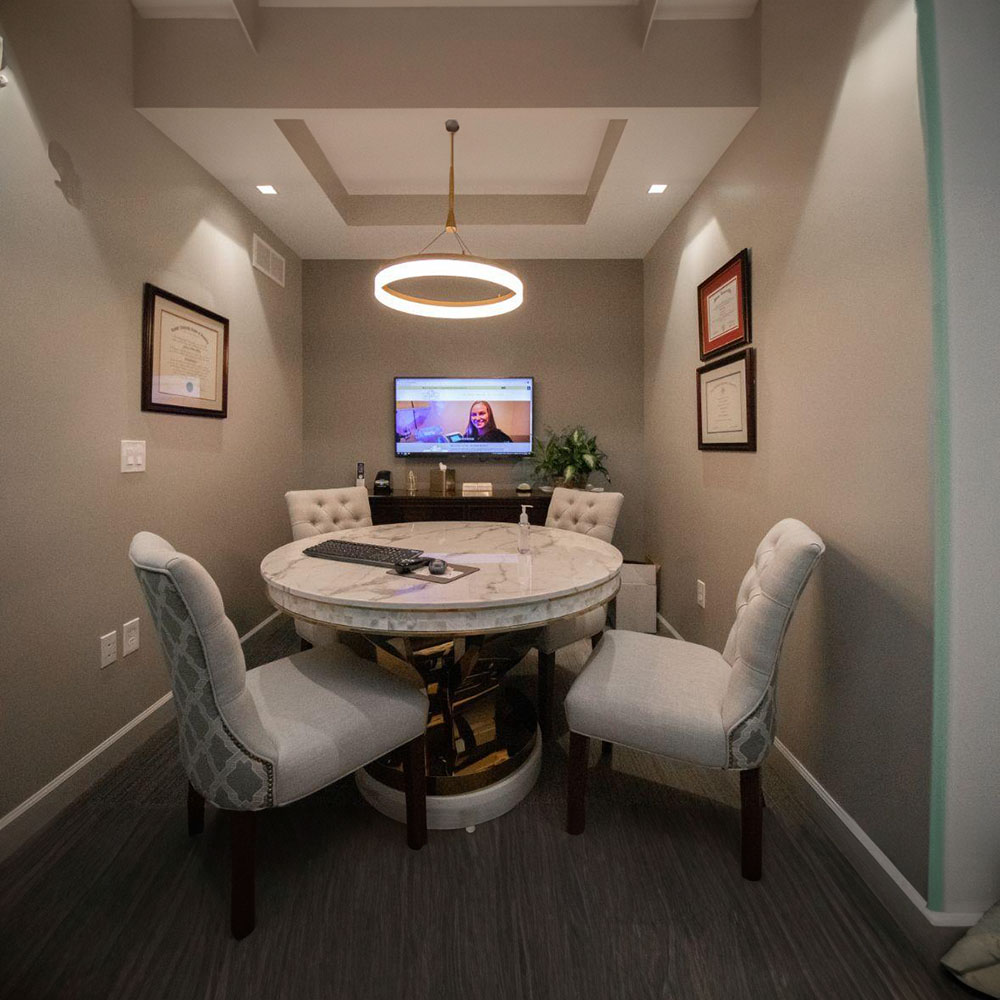
The path to a restored, high-functioning smile is a journey of precision, and it begins with a single, focused conversation. We invite you to experience the intersection of clinical mastery and uncompromising luxury at The Haddon Dentist. Whether you are seeking the immediate results of CEREC® same-day crowns, exploring the life-changing benefits of dental implants, or ready to revitalize your aesthetic with professional teeth whitening, we are here to curate a plan tailored exclusively to you. Your time is your most valuable asset, and we cherish the opportunity to provide the elite care you deserve in an environment that respects your comfort and your goals.