Your smile is more than an aesthetic detail — it’s a functional tool that affects how you speak, eat, and present yourself to the world. When a tooth has been weakened by decay, fracture, or previous restorative work, a carefully designed crown can return strength, stability, and natural appearance to that tooth while protecting the remaining structure underneath.
Advances in materials science and digital dentistry mean crowns today can be both highly durable and remarkably lifelike. Whether you’re exploring a single restoration or considering crowns as part of a broader treatment plan, clear information will help you make confident decisions about preserving oral health and long-term function. The Haddon Dentist approaches each crown with the same goal: a predictable, comfortable outcome that blends form and function.
A crown becomes the recommended solution any time a tooth’s remaining structure cannot reliably support a traditional filling. Large cavities, extensive old restorations, cracks that threaten vertical fracture, and teeth that have undergone root canal therapy are typical indications. In these situations, a crown covers and stabilizes the tooth, redistributing biting forces and reducing the risk of further breakage.
Crowns are also used in restorative roles beyond single-tooth repair. They serve as the finished restoration on dental implants, form the terminal supports of fixed bridges, and can protect partial coverage restorations when the remaining enamel is insufficient. Choosing a crown for these purposes is about safeguarding adjacent structures and maintaining predictable function across the bite.
Importantly, selecting a crown is a decision based on preservation of what’s left of the natural tooth. The objective is not only to restore appearance but to provide long-term protection for the root and surrounding tissues. That protective aspect is often what distinguishes a crown from simpler, more conservative restorations.
A well-made crown does more than cover a defect — it restores the tooth’s original contours, contact points, and occlusal relationships so that chewing forces are shared properly across the dental arch. Proper anatomy prevents food trapping, helps maintain gum health, and reduces abnormal wear on neighboring teeth. When shape and contact are corrected, patients frequently notice improved comfort and easier cleaning.
Esthetic considerations are tightly linked to function. Restoring proper tooth length, alignment, and translucency affects how light reflects across the smile and how teeth relate to one another. Skilled restorative planning accounts for color matching, contour, and the way a crown integrates with adjacent natural teeth so the result is both seamless and stable.
From a prosthodontic perspective, crowns can also be designed to address bite imbalances and support larger rehabilitations. In complex cases, crowns are coordinated with other treatments — such as occlusal adjustment or implant placement — to reestablish a comfortable, long-lasting chewing scheme rather than simply treating a single tooth in isolation.
Today’s crown materials range from metal-acrylic combinations to fully ceramic systems. Each option balances strength, translucency, and wear characteristics differently. Porcelain fused to metal remains a durable choice where deep strength is needed, though it can show a metal margin over time. All-ceramic restorations, including lithium disilicate and newer zirconia-based ceramics, offer exceptional esthetics with high strength and biocompatibility.
Zirconia is prized for its toughness and is often used in posterior teeth or implant restorations where biting forces are greatest. Lithium disilicate provides a blend of attractive translucency and reliable strength for front and premolar teeth. Hybrid ceramics and layered systems can emulate the way natural enamel transmits light, making them excellent choices when appearance is a primary concern.
A restorative plan takes into account the tooth’s position, occlusal demands, gum level, and the patient’s esthetic expectations. The clinician evaluates these factors and recommends a material that meets functional needs while achieving a natural look. Material science has made it possible to tailor crowns precisely to the demands of each clinical situation.
Digital scanning and chairside milling have transformed how crowns are delivered. In many cases a digital intraoral scan replaces traditional impressions, capturing accurate three-dimensional detail without messy materials. That digital file can be used to design a crown with precise margins and proper occlusion, reducing the potential for adjustments at delivery.
For patients who prefer fewer appointments, same-day crown systems allow a single-visit restoration in which the crown is designed, milled, and finished while you wait. This workflow eliminates the need for a provisional restoration and shortens treatment time without compromising fit or strength. Whether a crown is fabricated in-office or by a trusted dental laboratory, a modern digital workflow improves predictability and quality control.
Even with rapid fabrication, clinical judgment remains essential. The clinician assesses fit, contacts, and bite in the operatory to ensure the restoration integrates smoothly with the rest of the mouth. When executed thoughtfully, digital techniques combine convenience with prosthodontic precision to produce long-lasting, esthetic results at a high standard of care for patients at the office of The Haddon Dentist.
With appropriate care, crowns can last many years, but their longevity depends on routine maintenance and avoiding habits that place excessive force on the restoration. Daily oral hygiene — brushing with a soft-bristled brush, flossing along the crown margins, and using recommended interdental aids — helps prevent gum inflammation and recurrent decay at the crown’s edge.
If you grind or clench your teeth, a protective nightguard can reduce stress on crowns and prevent fractures. Avoiding hard objects like ice or opening packages with teeth will protect the crown surface. Regular dental checkups are important so the clinician can monitor the crown margin, check for signs of wear, and ensure the underlying tooth remains healthy.
When issues arise — sensitivity, looseness, or visible margin changes — early evaluation allows for conservative repairs or refinements when possible. Replacing a crown is sometimes necessary if the restoration no longer meets functional or esthetic requirements, but attentive care and professional monitoring are the best ways to maximize a crown’s service life.
In summary, crowns are a versatile and reliable solution for restoring damaged or weakened teeth, blending protection, function, and esthetics into a single restorative option. If you’d like to learn whether a crown is right for you, please contact us for more information.


A dental crown is a custom-made restoration that completely covers a damaged or weakened tooth to restore its shape, strength and function. Crowns protect the remaining tooth structure from further fracture and help redistribute biting forces across the dental arch. They are used to improve both function and appearance when a simple filling would not be adequate.
Crowns can be fabricated from several different materials and are designed to reproduce natural tooth contours and contacts. Properly made crowns restore chewing efficiency and make oral hygiene easier by eliminating areas that trap food. A well-fitted crown helps maintain long-term health for the tooth and surrounding tissues.
A crown is generally recommended when a tooth has lost too much structure to be predictably restored with a filling. Typical indications include large decay, cracks that threaten vertical fracture, extensive prior restorations and teeth that have undergone root canal therapy. In those situations, a crown covers and stabilizes the tooth to reduce the risk of further damage.
Crowns are also the restoration of choice for finishing implant-supported teeth and serving as abutments for fixed bridges. Selecting a crown reflects a focus on long-term preservation of the tooth and the predictable function of the bite. The decision is based on clinical assessment of remaining tooth strength, occlusal demands and esthetic goals.
Crown materials commonly include all-ceramic systems, lithium disilicate, zirconia, porcelain-fused-to-metal and metal alloys. Each material balances strength, translucency and wear characteristics differently, so posterior teeth that endure heavy forces often favor stronger options while front teeth may prioritize esthetics. Advances in ceramics have made it possible to achieve both durability and lifelike appearance in many clinical situations.
Material selection depends on the tooth's position, occlusal pattern, gum level and the patient’s esthetic expectations. The clinician evaluates these factors and recommends a material that meets functional needs while achieving a natural look. Biocompatibility and long-term wear on opposing teeth are also considered when choosing the most appropriate option.
Same-day crowns use a digital workflow that begins with an intraoral scan and continues with chairside design and milling to produce a permanent restoration in a single appointment. This approach eliminates traditional impressions and provisional crowns, allowing patients to leave with a finished restoration after the appointment. The process requires precise digital design and on-site milling followed by careful clinical adjustment and polishing.
The office of The Haddon Dentist uses advanced digital systems to control every step of fabrication while a prosthodontic specialist evaluates fit, occlusion and esthetics. Clinical judgment remains essential to ensure the crown integrates with surrounding teeth and the bite. When executed properly, same-day crowns combine convenience with the precision and longevity expected from lab-fabricated restorations.
The lifespan of a crown varies with material, oral hygiene, biting habits and the quality of the underlying tooth preparation. Many crowns last a decade or more with attentive care, while some high-quality ceramic or zirconia restorations can remain functional for many years. Avoiding excessive force and maintaining gum health are major factors in prolonging service life.
Regular dental examinations allow the clinician to monitor crown margins, check for recurrent decay and detect early signs of wear or loosening. Protective measures such as a nightguard for patients who clench or grind can substantially extend longevity. Prompt attention to sensitivity or changes will help address minor issues before they necessitate replacement.
Caring for a crowned tooth involves the same daily hygiene habits recommended for natural teeth: brush twice a day with a soft-bristled brush and floss carefully along the crown margin. Using interdental brushes or a water flosser can help clean tight contacts and reduce plaque accumulation at the restoration interface. Good gum health around the crown is essential to prevent inflammation and recurrent decay at the crown edge.
Avoid using teeth as tools and limit chewing on very hard objects like ice or nutshells to reduce the risk of chipping. If you grind or clench, wearing a professionally made nightguard helps protect crowns from excessive forces. Keep routine dental visits so your clinician can evaluate the crown, adjust contacts or polish margins if needed.
Crowns are designed to match the color, translucency and contour of adjacent teeth so they blend seamlessly within the smile. Modern ceramic materials and layered staining techniques allow skilled clinicians and dental technicians to reproduce subtle optical properties of natural enamel. When color matching and contour are carefully planned, most crowns are indistinguishable from neighboring teeth to casual observers.
Successful esthetic integration also depends on healthy gum tissue and correct tooth proportions, so restorative planning often includes shaping contacts and managing the gingival margin. Minor refinements can be made at delivery to optimize shade and surface texture. Over time, maintaining good hygiene and periodic polishing will preserve the crown’s appearance.
Crown placement is typically performed under local anesthesia, so the procedure itself is usually comfortable and free from significant pain. Some patients experience mild sensitivity or soreness in the treated area for a few days after preparation and cementation, which is generally managed with over-the-counter analgesics and short-term adjustments. The clinician takes care to protect soft tissues and minimize post-operative discomfort.
If significant or prolonged pain, swelling or unusual symptoms occur after crown placement, an evaluation is important to rule out issues such as high bite contacts or underlying infection. In many cases these concerns are resolved with simple adjustments or targeted treatment. Prompt communication with your dental team ensures faster relief and prevents escalation of problems.
Yes. Crowns are commonly used to protect teeth that have undergone root canal therapy because such teeth tend to be more brittle and at higher risk of fracture. After a root canal, the clinician assesses the remaining tooth structure and may place a core buildup or post to support the final crown. The crown then restores function and seals the tooth against bacterial ingress.
Timing for crown placement depends on case-specific factors, but restoring the tooth with a definitive crown as soon as clinically appropriate helps preserve the treated root and surrounding tissues. The restoration plan includes evaluation of occlusion and adjacent teeth to ensure the crowned tooth functions harmoniously. Follow-up care monitors the success of the endodontic treatment and the integrity of the crown.
Common issues to monitor include persistent sensitivity, a feeling that the bite is off, looseness of the crown, visible margin changes or small chips in the restoration. Early evaluation allows many problems to be corrected conservatively, such as adjusting occlusion, re-cementing a loose restoration or smoothing a rough edge. Less commonly, recurrent decay at the crown margin or gum inflammation may require more involved treatment.
If you notice unusual pain, swelling, persistent sensitivity or a crown that feels loose or fractured, seek evaluation promptly to protect the underlying tooth. Early attention often preserves tooth structure and avoids emergency situations. For concerns about an existing restoration please contact the office of The Haddon Dentist so a specialist can assess the situation and recommend appropriate care.
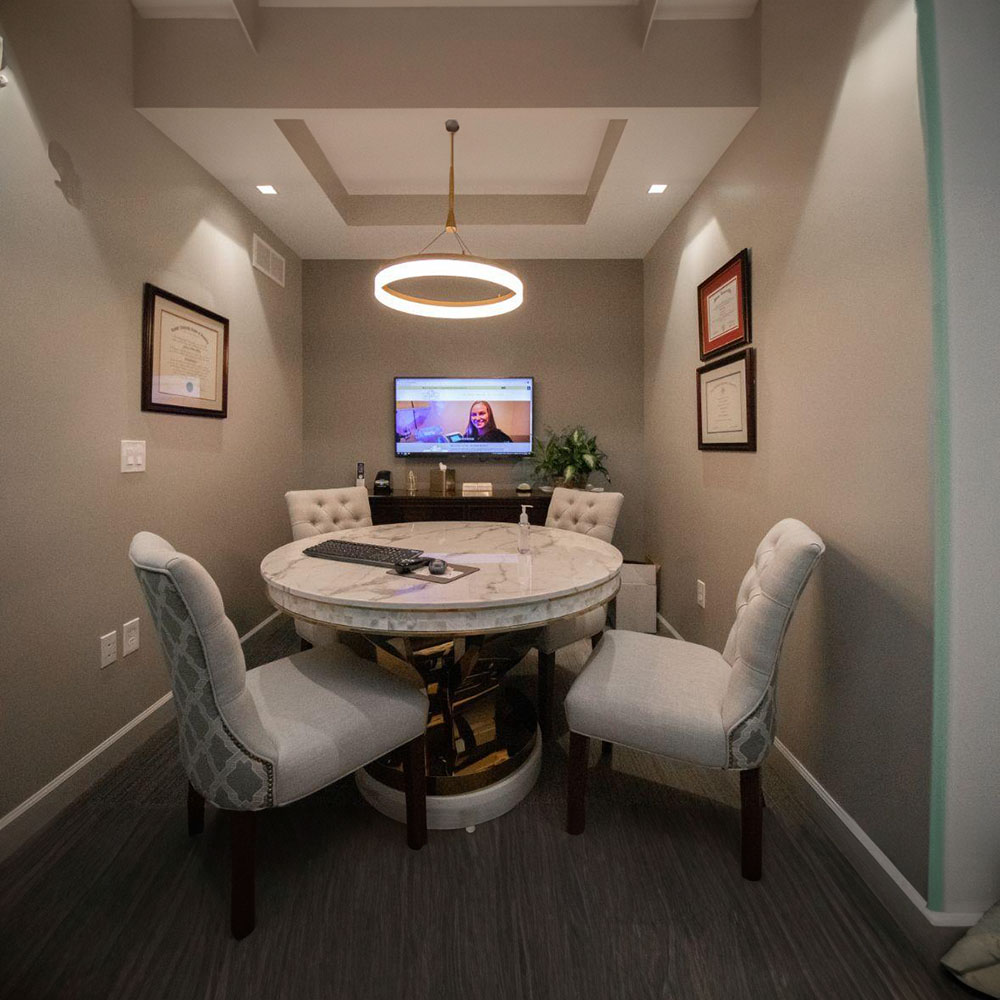
The path to a restored, high-functioning smile is a journey of precision, and it begins with a single, focused conversation. We invite you to experience the intersection of clinical mastery and uncompromising luxury at The Haddon Dentist. Whether you are seeking the immediate results of CEREC® same-day crowns, exploring the life-changing benefits of dental implants, or ready to revitalize your aesthetic with professional teeth whitening, we are here to curate a plan tailored exclusively to you. Your time is your most valuable asset, and we cherish the opportunity to provide the elite care you deserve in an environment that respects your comfort and your goals.