Even the most careful home routine leaves tiny areas that are difficult to reach—spaces where plaque buildup can quietly begin. Regular professional dental cleanings are designed to find and remove those deposits before they damage enamel or irritate the gums. At the office of The Haddon Dentist, we view routine cleanings as an essential partnership with our patients: a predictable, evidence-based way to preserve oral health and detect emerging issues early, when they are easiest to manage.
Daily brushing and flossing are the foundation of oral care, but a professional cleaning targets hardened plaque (tartar) and bacterial biofilm that home care cannot fully remove. Left unchecked, these deposits create an environment where cavities and gum disease can develop. A hygienist’s careful work reduces bacterial load and removes irritants that encourage inflammation, helping your mouth remain healthy between visits.
Regular cleanings also allow your dental team to monitor changes that aren’t obvious at home—subtle shifts in gum tissue, early enamel breakdown, or areas of excessive wear. Catching these trends early reduces the likelihood of more invasive procedures later and supports long-term stability for restorations and natural teeth alike.
Beyond preventing disease, professional cleanings contribute to a comfortable, functional mouth. Removing stain and buildup restores smooth tooth surfaces, improving how your teeth feel and how clean your smile looks. That combination of health and comfort is why routine appointments are recommended as part of comprehensive preventive care.
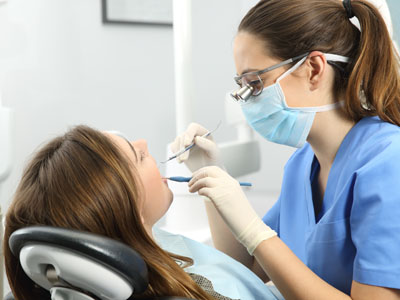
A professional cleaning is a methodical process tailored to the condition of your mouth. The appointment usually begins with an evaluation of your oral tissues and a review of any changes since your last visit. Your hygienist will then use instruments designed to remove deposits both above and just below the gumline, adapting technique to your level of sensitivity and the areas that need attention most.
Cleaning tools range from manual scalers to ultrasonic instruments that use gentle vibrations and a water spray to break up mineralized deposits. These approaches are often used together to maximize efficiency and patient comfort. After deposit removal, the teeth are polished to smooth the surfaces and remove superficial staining, followed by flossing to ensure interdental areas are clean and free of debris.
If specific concerns arise—such as signs of gum inflammation or areas that retain plaque despite home care—your hygienist will note these for your dentist and may recommend adjustments in technique or frequency. For patients with sensitive teeth, topical numbing or other comfort measures can be used so the appointment remains manageable.
Not every mouth needs the same schedule or the same procedures. Factors like a history of periodontal disease, diabetes, smoking, medications that reduce saliva, or a tendency for rapid plaque buildup change how often someone should be seen and what type of cleaning they need. Your hygienist and dentist will assess risk and create a maintenance plan that reflects your individual needs.
For some patients, routine cleanings are supplemented by more frequent visits, targeted antimicrobial treatments, or focused instruction on home-care tools like interdental brushes or special flossing techniques. The goal is to prevent progression of disease while empowering patients with practical, achievable habits between appointments.
When periodontal pockets or more significant inflammation are present, your team may recommend deeper cleaning procedures that focus on the root surfaces to reduce bacterial reservoirs. These recommendations are made based on clinical findings and intend to restore tissue health while avoiding unnecessary treatment.
Oral health is closely tied to overall wellness. Chronic inflammation in the mouth may influence systemic conditions, and medical researchers have identified links—though not always direct causation—between periodontal disease and conditions such as diabetes, cardiovascular disease, and pregnancy-related complications. Keeping the mouth healthy through professional cleanings helps reduce inflammatory signals and supports general health monitoring.
For patients managing chronic medical conditions, routine dental care provides an important layer of preventative medicine. During cleanings, your dental team can flag oral signs that may relate to medication effects, nutritional deficiencies, or systemic disease activity, enabling timely communication with your medical providers when appropriate.
Maintaining a healthy mouth also contributes to everyday quality of life: clearer speech, improved comfort while eating, and greater confidence in social situations. These practical benefits reinforce the clinical reasons for regular hygiene visits.
Professional cleanings are most effective when combined with consistent home care. Simple habits—brushing twice daily with a fluoride toothpaste, cleaning between teeth once daily, and using a soft-bristled or powered toothbrush with proper technique—make a measurable difference in how long your mouth stays free of harmful buildup.
Small changes can amplify results: replacing your toothbrush every three months, adding an interdental brush if spaces are large, or choosing a fluoride rinse when recommended. Dietary choices matter too—limiting frequent snacking on sugary or acidic foods reduces opportunities for decay and helps preserve enamel between visits.
Finally, be proactive about follow-up: if you notice bleeding gums, persistent sensitivity, or any change in your oral comfort, reach out to your dental team. Early attention to minor symptoms keeps care conservative and effective, and it helps your hygienist and dentist maintain the long-term results achieved through regular professional cleanings.
Regular dental cleanings are a cornerstone of sensible, preventive oral care. If you have questions about how often you should be seen or what a cleaning will involve for your particular situation, please contact us for more information. The Haddon Dentist is committed to helping patients maintain healthy, comfortable smiles through thoughtful, individualized preventive care.


Professional dental cleanings are preventive appointments performed by a licensed hygienist or dentist to remove plaque and hardened deposits called tartar. These cleanings reduce bacterial biofilm and help protect enamel and gum tissue from disease. Routine cleanings also allow the clinical team to detect early problems when they are easier to treat.
At The Haddon Dentist we view cleanings as a core component of preventive care, coordinated with your individualized treatment plan. The appointment balances efficiency and comfort while focusing on long-term oral stability and restoration preservation. Regular hygiene visits support ongoing monitoring of restorations and natural teeth.
For most adults, cleanings every six months are a common recommendation because that interval limits the return of harmful deposits while allowing timely evaluation of oral tissues. However, optimal frequency depends on each patient's risk factors and clinical findings. Your clinician will consider history of periodontal disease, medical conditions, medications, and oral hygiene when advising a schedule.
Some patients require more frequent visits, such as every three or four months, to control disease activity or protect complex restorations. Others with low risk and excellent home care may be seen at longer intervals when clinically appropriate. A personalized maintenance plan helps prevent progression and reduces the need for advanced treatments.
A typical cleaning begins with an oral evaluation, including inspection of teeth, gums, and any restorations for signs of change or inflammation. The hygienist then removes plaque and tartar using manual instruments and ultrasonic scalers to address deposits above and below the gumline. This step reduces bacterial burden and prepares the surfaces for polishing.
After scaling, the hygienist polishes the teeth to smooth surfaces and remove superficial staining, followed by thorough flossing to clear interdental areas. Additional measures such as topical fluoride, antimicrobial rinses, or targeted home-care recommendations may be provided when indicated. The dentist will review findings and recommend follow-up care if deeper therapy is needed.
Yes, dental cleanings range from routine prophylaxis to deeper therapies tailored for periodontal disease management. A prophylaxis is designed for patients with healthy gums or mild gingivitis and focuses on removing deposits and polishing tooth surfaces. When pockets of bacterial infection are present, more extensive root-surface debridement is indicated to reduce bacteria beneath the gums.
Hygienists also provide adjunctive treatments such as antimicrobial applications, localized irrigation, and individualized hygiene instruction to support healing and maintenance. The chosen approach depends on clinical measurements, bleeding, pocket depth, and the patient's overall medical profile. Treatment recommendations are based on evidence and tailored to minimize invasiveness while restoring tissue health.
Professional cleanings remove mineralized deposits and reduce the bacterial biofilm that contributes to gum inflammation and tooth decay. By eliminating these irritants and reinforcing good home care, cleanings significantly lower the risk of disease progression. Early detection during visits allows conservative intervention before problems advance.
Preventive visits also support the longevity of restorations by monitoring margins and adjacent tissues where decay or inflammation can begin. For patients with medical risk factors, coordinated dental care can help manage oral contributors to systemic conditions. Consistent maintenance visits are a proven strategy for preserving oral health and function over time.
Most patients experience only mild discomfort during routine cleanings, often described as pressure or vibration rather than pain. Ultrasonic devices and gentle manual techniques are used to maximize efficiency while minimizing sensitivity. When sensitivity or anxiety is present, hygienists can adapt techniques and pacing to improve comfort.
For patients with heightened sensitivity or advanced inflammation, topical desensitizers or localized anesthetic options can be offered to ensure a manageable experience. Clear communication about tolerance and previous experiences helps the team tailor comfort measures. If deeper periodontal therapy is recommended, the dentist will discuss appropriate pain-control strategies beforehand.
Personalization starts with a comprehensive clinical assessment that includes probing depths, bleeding on probing, and a review of medical history and medications. These factors inform whether a patient should be seen more frequently or receive targeted therapies. Risk-based scheduling allows early intervention and reduces the likelihood of escalation to invasive procedures.
The team may prescribe shorter recall intervals, adjunctive antimicrobials, or focused instruction on interdental tools and technique when risk is elevated. Smoking cessation support and coordination with medical providers are also important components for patients with systemic contributors to oral disease. Ongoing reassessment ensures the plan evolves with the patient's response to treatment and home care.
Effective home care includes brushing twice daily with fluoride toothpaste and cleaning between teeth once daily using floss or interdental brushes. Using a soft-bristled or powered toothbrush with proper technique helps remove plaque without damaging soft tissue. Consistent daily habits are the single most important factor in extending the benefits of a professional cleaning.
Other useful measures include replacing your toothbrush every three months, reducing frequent consumption of sugary or acidic snacks, and using a fluoride rinse when recommended. If you have specific spacing or restorative considerations, your hygienist can recommend specialized tools such as end-tuft brushes or water flossers. Promptly reporting bleeding, persistent sensitivity, or other changes allows the team to address issues before they progress.
Regular cleanings reduce chronic oral inflammation, which can contribute to systemic inflammatory burden and interact with conditions like diabetes and cardiovascular disease. While oral treatment does not cure systemic disease, maintaining periodontal health supports overall medical management and risk reduction strategies. Dental visits also provide opportunities to identify oral signs of medication effects or nutritional issues that merit medical attention.
At The Haddon Dentist our team works to communicate relevant oral findings with patients and, when appropriate, coordinate with medical providers to support comprehensive care. This collaborative approach helps ensure that oral health contributes positively to general well-being and chronic disease management. Routine maintenance helps patients maintain comfort, function, and nutritional intake that support daily quality of life.
Preparation is simple: arrive with a current medical history and a list of any medications or recent changes in your health. If you have specific symptoms like bleeding, persistent sensitivity, or loose restorations, note them so the hygienist and dentist can address them early in the visit. Good home brushing and interdental cleaning the night before and the morning of the appointment help the team focus on residual deposits and clinical assessment.
If you experience dental anxiety, discuss comfort options with the office when scheduling to allow time for accommodations. Wearers of removable appliances should bring them or their storage case so the team can assess fit and cleanliness. After the appointment, follow any home-care or follow-up instructions to maximize the benefit of the visit.

The path to a restored, high-functioning smile is a journey of precision, and it begins with a single, focused conversation. We invite you to experience the intersection of clinical mastery and uncompromising luxury at The Haddon Dentist. Whether you are seeking the immediate results of CEREC® same-day crowns, exploring the life-changing benefits of dental implants, or ready to revitalize your aesthetic with professional teeth whitening, we are here to curate a plan tailored exclusively to you. Your time is your most valuable asset, and we cherish the opportunity to provide the elite care you deserve in an environment that respects your comfort and your goals.