When a cavity or minor fracture affects a tooth, modern tooth-colored fillings restore both appearance and function without calling attention to the repair. These restorations are made from composite resin — a blend of durable polymers and ceramic particles — that can be precisely matched to your natural tooth shade. The result is a discreet repair that preserves the look of your smile while restoring chewing ability and preventing further decay.
Beyond aesthetics, composite fillings offer a versatile solution for many common restorative needs. They can be used on front teeth where appearance is paramount as well as on back teeth where strength matters. Because composites are bonded directly to the tooth, they can help rebuild lost structure and support the surrounding enamel and dentin.
Choosing a tooth-colored filling is often about balancing longevity and appearance. When placed carefully, these materials provide excellent resistance to wear and can last many years with routine care. They are also metal-free and mercury-free, which is an important preference for many patients who prioritize a more natural-looking restoration.
One of the key advantages of composite restorations is their ability to bond to the tooth rather than merely filling a hole. Adhesive dentistry uses chemical and micro-mechanical bonds to attach the composite to enamel and dentin, allowing the dentist to remove less healthy tooth tissue during preparation. This conservative approach helps retain more of your natural tooth, which supports long-term strength and reduces the risk of future complications.
The bonding process also creates a tight seal that resists bacterial leakage, which is the primary driver of recurrent decay. Proper isolation and technique during placement are essential to achieving a lasting seal; that’s why clinicians focus on moisture control and meticulous layering when working with composite materials. When these steps are followed, the restoration performs predictably under normal forces of chewing.
Materials have improved markedly over recent years. Contemporary composites exhibit better polishability, color stability, and wear resistance than earlier formulas. These improvements mean a filling can both blend in visually and stand up to everyday use, giving patients a dependable solution for restoring small to moderate tooth damage.

Most composite filling procedures are completed in a single visit and begin with a careful assessment and targeted X-rays if needed. Local anesthesia is used to keep you comfortable while the dentist removes the decayed or damaged portion of the tooth. For patients who experience dental anxiety, sedation dentistry is available and can be discussed before treatment to help make the appointment more relaxed.
After the tooth is prepared, the area is conditioned with bonding agents and the composite resin is applied in thin layers. Each increment is shaped and cured with a high-intensity light, allowing the clinician to sculpt the restoration so it integrates with the tooth’s natural contours. Layering the material in this way helps control shrinkage and optimizes strength.
Once the final layer is placed, the restoration is polished and adjusted so your bite feels natural. The dentist will check that the filling fits comfortably with opposing teeth and that there are no high spots that could cause discomfort. With careful finishing, the surface becomes smooth and resistant to staining, and most patients leave the appointment feeling confident about both function and appearance.
Temporary numbness following local anesthesia is normal, so avoid chewing until sensation returns to prevent accidental biting of the cheek or tongue. In the days after treatment some teeth display mild sensitivity to hot, cold, or pressure as the nerve settles; this usually diminishes over time. If sensitivity persists beyond a few weeks or you notice pain when biting, contact the practice so the restoration can be assessed and adjusted if necessary.
Good daily hygiene is the cornerstone of preserving any dental restoration. Brushing twice a day with a fluoride toothpaste, flossing daily, and attending regular dental checkups reduce the risk of new decay at the margins of fillings. During recall visits, the dentist or hygienist will examine your restorations for wear, marginal breakdown, or staining, and recommend timely intervention if any issues are detected.
While composite fillings are durable, they are not indestructible. Avoid habits that place excessive stress on teeth, such as chewing ice, opening packages with your teeth, or persistent nail-biting. With sensible care and routine dental visits, most tooth-colored restorations continue to function well for many years.
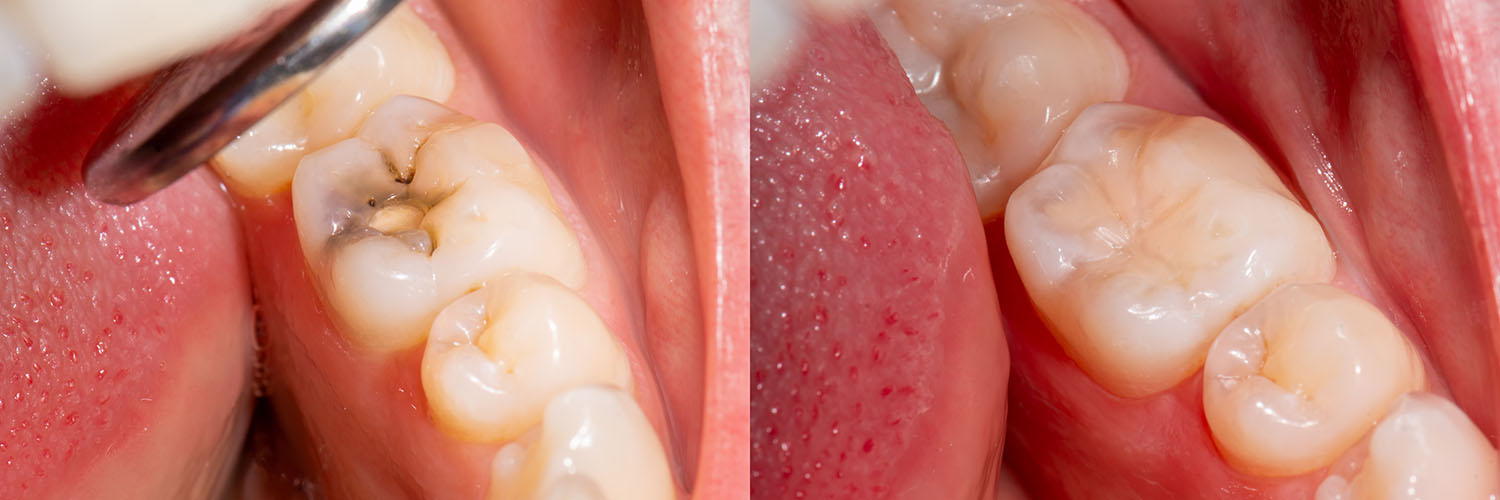
Not every broken or decayed tooth is best repaired with a simple filling. When damage is extensive, when a large portion of tooth structure is missing, or when a tooth has an elevated risk of fracture, stronger indirect restorations such as inlays, onlays, or crowns may be recommended. These options redistribute chewing forces and offer greater protection for teeth that would be weakened by a large direct filling.
Occasionally, a tooth with deep decay will require root canal therapy before a final restoration can be placed. The decision between a direct composite filling and a larger reconstruction considers factors like remaining tooth strength, occlusion (bite), and long-term prognosis. Our priority is to recommend the most conservative treatment that reliably preserves the tooth for years to come.
At the office of The Haddon Dentist, we evaluate each situation individually and discuss the range of suitable options so you can make an informed choice. When an alternative treatment is advisable, we explain why and outline what to expect from the procedure and recovery, helping you weigh durability, function, and esthetics.
We aim to restore teeth in a way that looks natural, feels comfortable, and supports lasting oral health. If you have questions about composite fillings or want to learn which restorative option is right for you, our team is ready to help.
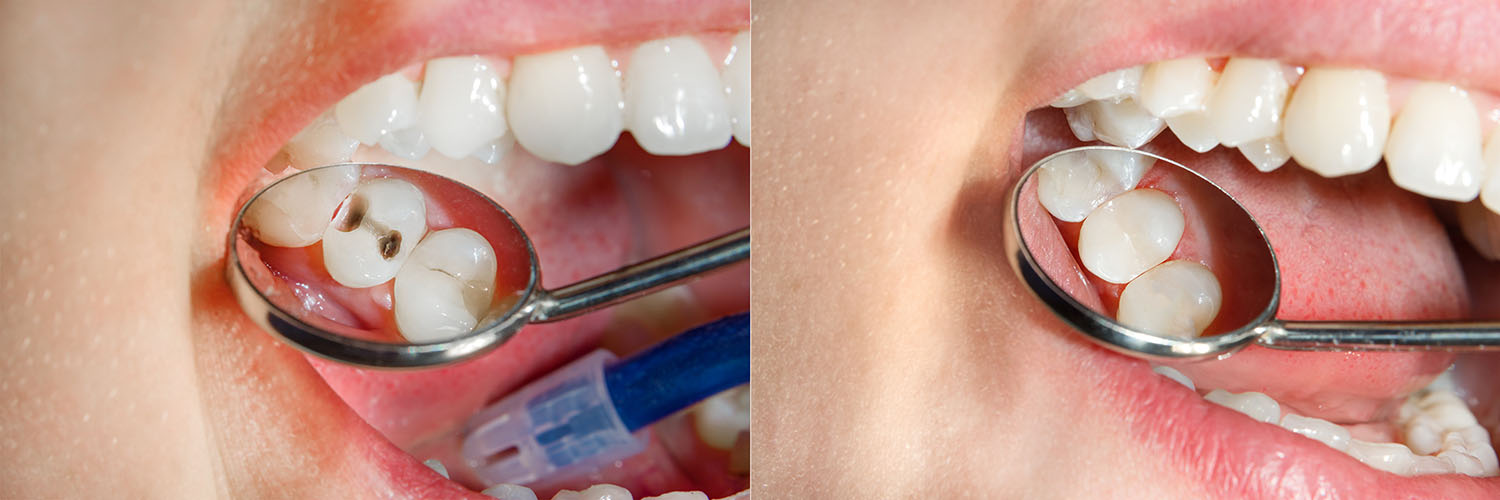


If the pleasure of eating a delicious bowl of ice cream or sipping a soothing cup of tea gets overshadowed by dental pain that makes you wince; it's time to contact our office. As skilled providers of care, we'll determine what's causing your discomfort and perform the treatment required to alleviate your symptoms and get you back on the road to oral health.
Cavities develop because of an infectious process that causes progressive damage to tooth structure. Despite starting as a pinpoint defect on the outermost enamel layer of your tooth, untreated dental decay progressively compromises more and more healthy tooth structure as it works its way to the inner layers of your tooth.
Yes, you can still develop tooth decay on other surfaces of the tooth, around the margins of an old filling, or in fewer instances, recurrent decay underneath it. For this reason, it's essential to maintain excellent oral hygiene, a diet low in sugary beverages and sweets, and be sure to visit our office for routine checkups and care. While tooth decay is second only to the common cold in frequency, it's almost entirely preventable.
We value the time and comfort of our patients. If cavities are located on adjacent teeth, or in the same section of your smile, it may be possible to treat more than one tooth during your visit. However, how much is done each visit depends on several factors. We keep our patients well informed and tailor every treatment plan and visit to address their unique needs.
Addressing concerns on the presence of elemental mercury in silver fillings, the American Dental Association (ADA), The Center for Disease Control and Prevention (CDC), the FDA, and the World Health Organization have all stated that amalgam restorations do not pose a risk to health. However, individuals with allergies or sensitivities to the metals in dental amalgam are advised to pursue other restorative options.
Dental fillings are performed under local anesthesia to help ensure your comfort throughout the entire procedure. The involved tooth remains completely numb for the extent of your visit. Within one or two hours after the procedure is completed, the local anesthetic will gradually wear off, and normal sensations return.
A tooth-colored composite filling is fully hardened and set by the end of your visit. However, we may advise you to wait a couple of hours until the local anesthesia has completely worn off. This advice is to help ensure you don't accidentally bite your lip, cheek, or tongue while still numb.
The lifetime of a dental filling varies depending on the type of material used. While popular dental materials can last a decade or more with proper care, they can degrade over time, wear down, or even break. When this happens, you may experience some tooth sensitivity, a jagged edge, or a loose or dislodged piece of filling material. Whatever the case may be, it's essential to get the filling replaced before the tooth sustains further damage or other consequences arise. Beyond taking good care of your smile to help ensure the longevity of your fillings, our office regularly checks the status of your existing fillings as part of a routine checkup exam.
Dental fillings are an essential investment that serves to preserve and protect the health of your smile. With that said, how much a filling costs depends on the number of surfaces of the tooth involved and the filling material that is used. Amalgam restorations are the most economical. While tooth-colored composite fillings have a slightly higher cost, they offer the added benefits of being metal-free and much more aesthetically pleasing. Ceramic fillings, inlays, and onlays are more expensive than the preceding options but provide outstanding, long-lasting, and natural-looking results.
Dental insurances typically cover the cost of dental fillings. While we work with you to maximize your insurance benefits, there may still be an out-of-pocket expense. At the office of The Haddon Dentist, we strive to help you begin care without any additional financial stress or delay.
Tooth-colored fillings are restorations made from composite resin, a blend of durable polymers and ceramic particles that can be matched to your natural tooth shade. The material bonds to enamel and dentin, allowing the clinician to rebuild lost tooth structure while maintaining a discreet appearance. Because composites are layered and shaped directly in the mouth, they restore chewing function and help prevent further decay by sealing the prepared area.
Modern composites also offer improved polishability and color stability, so the repaired tooth blends with surrounding teeth over time. The restorative process typically involves conditioning the tooth surface, applying adhesive agents, and placing the resin in controlled increments that are cured with a high-intensity light. When properly placed, these fillings deliver both aesthetic and functional benefits for small to moderate tooth damage.
Composite fillings are prized for their natural appearance because they can be shade-matched to adjacent teeth, which makes them ideal for visible areas of the mouth. Unlike some traditional materials, composites bond to the tooth structure, which allows for more conservative preparation and helps preserve healthy enamel and dentin. The absence of metal also appeals to patients who prefer a mercury-free option.
In addition to aesthetics and conservation of tooth structure, contemporary composites perform well under normal chewing forces and resist staining when polished correctly. Advances in filler technology have increased wear resistance and color stability, making composites a reliable choice for many restorative needs. Your dentist will weigh these benefits against the size and location of the defect when recommending a material.
A typical appointment begins with a focused exam and targeted X-rays if needed, followed by local anesthesia to ensure comfort during treatment. The dentist removes decay or damaged tooth tissue, isolates the area to control moisture, and prepares the surface for bonding using etchants and adhesive systems. For patients with anxiety, sedation options can be discussed in advance to make the visit more comfortable.
Composite resin is applied in thin layers, each of which is contoured and cured with a high-intensity light to build strength and control shrinkage. After the final increment is placed, the restoration is adjusted for proper occlusion and polished to create a smooth, stain-resistant surface. The dentist then checks your bite and makes any final adjustments so the restoration feels natural and comfortable.
Mild sensitivity to hot, cold or pressure is common for a few days to a few weeks after a filling as the tooth and surrounding tissues adjust. This short-term sensitivity is often related to the bonding process, temporary inflammation of the pulp, or small changes in the tooth's stress distribution following restoration. Over-the-counter analgesics, avoiding very hot or cold foods, and eating carefully on the treated side usually help while the sensitivity resolves.
You should contact the office if sensitivity persists beyond a few weeks, increases in intensity, or is accompanied by sharp pain when biting, since these signs may indicate an occlusal high spot, cracked tooth, or the need for further evaluation. In some cases a simple adjustment or replacement of the restoration will relieve symptoms and protect long-term tooth health. Prompt follow-up ensures predictable outcomes and prevents small issues from becoming larger problems.
Composite fillings are durable restorations that can last many years, but their longevity depends on factors such as the size of the filling, bite forces, oral hygiene and habits like grinding. Smaller, well-bonded restorations in low-stress areas tend to perform best, while large restorations or those in patients with heavy wear may need replacement sooner. Regular dental checkups allow the clinician to monitor wear, marginal breakdown or staining and intervene when necessary.
You can extend the life of a filling by maintaining good oral hygiene—brushing twice daily with fluoride toothpaste and flossing daily—attending routine recall visits, and avoiding behaviors that place excessive force on teeth. If you have a history of bruxism, a custom night guard may protect restorations and natural teeth from premature wear. Early attention to minor changes helps keep restorations functioning well for many years.
Fillings are ideal for small to moderate cavities or minor fractures, but they are not always the best solution for teeth with extensive damage or when a large portion of the tooth is missing. In those cases, indirect restorations such as inlays, onlays or crowns may be advised because they redistribute occlusal forces and offer greater protection against fracture. Deep decay that approaches the pulp may require root canal therapy before a final restoration can be placed.
Each treatment recommendation balances remaining tooth strength, occlusion and long-term prognosis so the most conservative, durable option is chosen. At the office of The Haddon Dentist, clinicians evaluate every case individually and discuss the benefits and expectations of alternatives so patients can make informed decisions. When a larger reconstruction is necessary, the team explains the procedure, recovery and follow-up care for a predictable outcome.
Adhesive bonding allows composite material to attach to both enamel and dentin through chemical and micro-mechanical means, which reduces the need to remove healthy tooth tissue during preparation. By bonding the restoration to the remaining tooth, clinicians can use a more conservative approach that preserves strength and minimizes structural loss. A well-executed adhesive interface also reduces microleakage, which is a primary cause of recurrent decay at restoration margins.
Achieving a reliable bond depends on proper isolation, meticulous technique and contemporary bonding agents, which is why clinicians pay close attention to moisture control and incremental placement. Advances in adhesive chemistry and composite filler technology have improved bond durability and resistance to wear. These improvements translate into restorations that maintain function and seal for longer when placed correctly.
Yes, composite fillings are versatile and can be used on both anterior and posterior teeth, with the material selection and technique tailored to the location and functional demands. For front teeth, the emphasis is on shade matching, translucency and contour so the repair blends invisibly with natural enamel. For back teeth, clinicians select restorative shades and layering techniques that maximize strength and wear resistance to withstand chewing forces.
When posterior restorations are large or subject to heavy occlusal stress, the dentist may choose special posterior composites or recommend an indirect option to improve longevity. Proper occlusal adjustment and polishing are essential regardless of location to ensure comfort and reduce the risk of premature wear. Your dentist will choose the approach that best balances appearance, function and durability for each tooth.
To protect a new filling, avoid using your teeth as tools for opening packages, biting nails or chewing hard objects such as ice or pens, since these habits place concentrated stress on restorations and can lead to fracture. If you clench or grind your teeth, consider discussing a custom night guard with your dentist to protect restorations and natural tooth structure from excessive wear. Maintaining consistent oral hygiene and attending regular dental appointments also reduces the risk of recurrent decay at the margins of fillings.
Avoiding highly abrasive toothpastes and being mindful of foods or behaviors that stain can help preserve the appearance of anterior composites. If you notice any roughness, a sudden change in bite, or new sensitivity, schedule a follow-up so the restoration can be assessed and adjusted if needed. Timely care prevents minor issues from progressing and helps fillings function as intended for many years.
After placing a filling, the clinician checks the restoration against opposing teeth using articulating paper and makes precise adjustments to eliminate high spots that could cause discomfort or premature wear. The restoration is then polished to create a smooth surface that resists staining and plaque accumulation, and the bite is rechecked while you close and move your jaw to ensure comfort in everyday function. If any postoperative sensitivity or bite issues occur, a brief return visit is often all that is needed to refine the restoration.
Routine follow-up care includes regular dental exams and professional cleanings so the team can monitor restorations for wear, marginal breakdown or recurrent decay. At the office of The Haddon Dentist, we provide clear post-treatment instructions and schedule reviews as needed to support long-term success. Prompt communication about any concerns ensures adjustments or repairs are made before more extensive treatment becomes necessary.

The path to a restored, high-functioning smile is a journey of precision, and it begins with a single, focused conversation. We invite you to experience the intersection of clinical mastery and uncompromising luxury at The Haddon Dentist. Whether you are seeking the immediate results of CEREC® same-day crowns, exploring the life-changing benefits of dental implants, or ready to revitalize your aesthetic with professional teeth whitening, we are here to curate a plan tailored exclusively to you. Your time is your most valuable asset, and we cherish the opportunity to provide the elite care you deserve in an environment that respects your comfort and your goals.