Advances in dental materials and digital workflows have made replacing missing teeth more predictable and natural-looking than ever. While dental implants and fixed bridgework remain excellent long-term options for many patients, removable dentures continue to be a reliable and flexible solution when other approaches aren’t appropriate or preferred. Well-made dentures restore the essential functions of a complete smile: speaking, eating, and feeling confident in social settings.
At The Haddon Dentist, we design dentures with an emphasis on fit, facial support, and a lifelike appearance. Every prosthesis we create is intended to harmonize with your facial proportions and the way your lips and cheeks move, not just to fill spaces in the mouth. Careful attention to bite relationships, tooth selection, and base contours helps dentures feel comfortable and behave naturally during everyday use.
We view denture care as a partnership. Our goal is to present clear options, explain what to expect at each step, and tailor a prosthetic plan that aligns with your oral health, lifestyle, and long-term goals. The following sections outline how missing teeth affect oral health, how dentures function, the variety of denture styles available, our approach to planning and fabrication, and practical guidance for adapting to a new prosthesis.
Losing teeth changes how the mouth functions and how the face looks. Gaps in the dental arch can alter chewing patterns, reduce bite efficiency, and make it harder to enjoy a broad variety of foods. Over time, the jawbone in areas without teeth begins to remodel, which can change facial contours and affect how future restorations fit.
Missing teeth also influence the position of adjacent teeth. Without the stabilizing presence of neighboring teeth, remaining teeth may drift or tilt into open spaces, creating new bite problems and areas that are harder to clean. These shifts can increase the risk of decay, gum inflammation, and further tooth loss if left unaddressed.
Addressing tooth loss restores function and helps preserve the structures that support the face. Even when a fixed solution isn’t chosen, a well-designed removable denture can prevent excessive bite changes and provide necessary support to the lips and cheeks, helping maintain a more youthful facial profile.
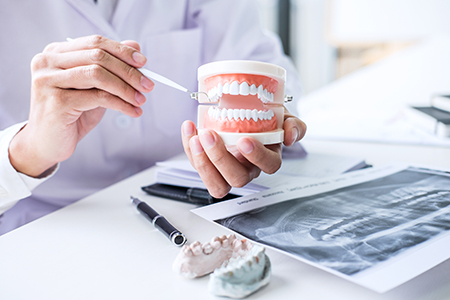
Removable dentures are prosthetic devices composed of artificial teeth set into a supportive base that rests on the gums. The base mimics the natural shape of the tissues and distributes chewing forces across the appropriate areas of the mouth. Because they are removable, dentures can be taken out for cleaning and for giving the gums a rest at night.
Dentures replace the visible portion of missing teeth and provide soft-tissue support, but they do not stop the underlying jawbone from remodeling in the same way tooth roots do. That’s why proper fit, periodic adjustments, and ongoing monitoring are important to maintain comfort and function over time. In many cases, combining dentures with other therapies—such as implant attachments—can improve stability and reduce movement.
Modern denture materials and fabrication techniques allow for highly natural tooth shapes, shades, and textures. Careful selection of tooth type and position can improve speech and chewing while producing an appearance that blends with your facial features and personal esthetics.
Choosing the right denture style begins with a thorough evaluation of your remaining teeth, gum tissues, and jawbone. Some patients are best served by a partial denture that fills a few gaps without altering healthy neighboring teeth, while others require a complete denture when most or all teeth are absent in an arch. Each option has distinct design considerations that affect comfort, retention, and maintenance.
We carefully weigh factors such as the condition of existing teeth, the shape of the dental arches, tongue posture, and the patient’s functional goals when recommending a prosthetic solution. The objective is always to restore reliable function and an attractive appearance while preserving the health of any remaining teeth and supporting tissues.
Below are descriptions of common denture types and the design choices that influence how they perform in daily life.
Complete (full) dentures replace all teeth in the upper or lower arch, or in both arches. A key to success is achieving an intimate, comfortable fit with appropriate contours along the denture borders so the appliance seals and functions without excessive movement. For many patients, a complete denture can reestablish normal speech and eating patterns once adaptation is complete.
Immediate dentures are placed at the time teeth are removed so patients do not go without teeth during healing. They can require periodic adjustments or a later transition to a conventional denture after tissues remodel. An overdenture uses remaining tooth roots or specially prepared teeth to anchor and preserve bone, while implant-supported dentures connect to strategically placed implants for enhanced retention and chewing stability.
Partial dentures replace multiple missing teeth when healthy natural teeth remain. They can be designed with clasps, precision attachments, or flexible materials to achieve the desired balance of retention, comfort, and aesthetics. Partial designs also protect neighboring teeth from drifting and help maintain proper bite relationships across the arch.
Material choices—from traditional acrylic to cast metal frameworks or newer flexible resins—allow customization to match patient preferences for strength, visibility of components, and weight. We review these options and recommend a solution that supports function, hygiene, and long-term tissue health.

Making an effective denture begins with careful diagnostics. We review medical and dental history, perform a thorough clinical exam, and often use advanced imaging to assess bone anatomy and soft-tissue contours. This information guides decisions about whether tooth extractions, tissue shaping, or adjunctive therapies will improve the final fit and function.
Customization includes selecting tooth shade, shape, and size to complement facial characteristics and soft-tissue support. Occlusion—the way the teeth meet—must be managed to ensure even force distribution and to minimize sore spots. Trial fittings at incremental stages allow the patient and clinician to refine esthetics and function before the prosthesis is finalized.
When appropriate, combining removable prosthetics with implant attachments offers a hybrid solution that increases retention and reduces the need for adhesives. Whatever the chosen path, a methodical, patient-centered workflow helps ensure the denture performs predictably and fits comfortably for daily life.
Adjustment is a normal part of the early denture experience. In the first days and weeks, you may notice changes in saliva production, speech patterns, and chewing mechanics. These are usually temporary as muscles learn to coordinate around the new appliance. Simple practices—like reading aloud, starting with soft foods, and pacing bite forces—help accelerate adaptation.
Daily hygiene is essential for long-term comfort and oral health. Rinse and brush dentures after meals, soak them when not worn, and clean any remaining natural teeth and gums carefully. Removing the denture at night allows tissues to recover and reduces the chance of irritation.
Regular follow-up visits let us check fit, relieve pressure spots, and recommend relines when tissue changes alter the denture’s seating. For patients with implant attachments, routine maintenance verifies that attachment components remain secure and functioning. Ongoing care ensures the denture continues to support a healthy mouth and a confident smile.

Sore spots, looseness, or changes in speech are signs that it’s time for a clinical review. Early adjustments can prevent more significant problems and make daily wear more comfortable. We encourage patients to bring concerns forward promptly so refinements can be made before minor issues become chronic.
Relines restore close contact between the denture base and the tissues when reshaping occurs. In some cases, repair or replacement becomes necessary due to wear, fracture, or significant changes in oral anatomy. We will discuss maintenance schedules and the indicators that suggest a reline or remake would improve performance and comfort.
At The Haddon Dentist, our aim is to provide prosthetic solutions that fit well, feel natural, and support your overall oral health. If you would like more information about dentures or the treatment process, please contact us to discuss your needs and schedule an evaluation.


Today, it’s easier than ever to replace missing teeth and achieve natural-looking, durable, and long-lasting results! Depending on a patient’s dental needs, lifestyle, expectations of care, and budget, choices can include conventional fixed bridgework, dental implants, or removable partial and complete dentures. At the office of The Haddon Dentist, we’ll discuss all your options in care and answer all your questions as you choose the solution that’s right for you.
With advances in dental materials and technology, today’s dentures are more comfortable and realistic-looking than ever before.
Whether you wear partial or complete dentures, it’s essential to see the dentist for routine care. Besides checking the fit and condition of your dentures and making any necessary adjustments, you’ll also receive a comprehensive exam to check on the health of any remaining teeth as well as the soft and hard tissues in and around the oral cavity.
A same-day denture offers an accelerated design and fabrication process that allows a patient to go from impression taking to denture insertion in a single day.
For patients who don’t want to wait after having teeth extracted, an immediate denture can be inserted the same day your teeth are removed. Sometime later you may need the denture relined to address any changes in its fit once the extraction sites have completely healed.
While no one wants to drop or break a partial or complete denture, accidents do happen. The good news is that in some cases, your partial or complete denture is reparable. It all depends on the extent of the damage. Don’t hesitate to contact our office if you’ve broken or damaged your denture. We’re happy to help.
The simple act of taking your partial denture in and out can cause certain types of metal clasps to loosen over time. When you come in for your checkup visit or contact our office for an adjustment, we’ll assess the fit of your partial and tighten the clasps for improved stability and comfort.
While rebuilding a complete smile is a worthwhile investment, our office is sensitive to the costs involved in dental care. We customize care and will discuss which treatment options address your needs, lifestyle, and budget. How much a new denture will cost depends on the type of the prosthesis, its design, and the materials used to fabricate the supportive base, teeth, and clasps or precision attachments. Dentures that include the placement of dental implants for added retention and stability typically involve additional costs.
If you have dental insurance, your coverage may include a new or replacement set of dentures. Our staff is happy to review your coverage with you to ensure you are maximizing your insurance benefits while minimizing any out of pocket expenses.
At the office of The Haddon Dentist, we provide an extensive range of dental services, including the latest and most effective methods to help patients with missing teeth rebuild complete and beautiful smiles. As skilled and experienced professionals, we recognize that every patient is different, and every smile is unique. We’re passionate about what we do and take great pride in providing personalized treatment plans while treating our patients as valued partners in care.
Removable dentures are custom-made prosthetic devices that replace missing teeth and the surrounding soft-tissue contours to restore oral function and facial support. A denture consists of artificial teeth set into a base that fits over the gums and distributes chewing forces across appropriate areas of the mouth. Because most dentures are removable, patients can take them out for routine cleaning and to allow soft tissues to rest overnight.
While dentures restore the visible portion of teeth and help with speech and eating, they do not stop the jawbone from remodeling in the same way that natural tooth roots do. Proper fit, periodic adjustments, and monitoring are important to maintain comfort and function over time. In many cases, combining dentures with implant attachments can improve stability and reduce movement during chewing and speaking.
Dentures come in several common styles designed to match a patient’s needs and remaining oral structures. Complete dentures replace all teeth in an arch, while partial dentures fill gaps when some natural teeth remain and can use clasps or precision attachments for retention. Immediate dentures are placed at the time of extractions so patients are never without teeth, although they often require future adjustments as tissues heal.
Overdentures use retained tooth roots or implant attachments to preserve bone and enhance retention, and implant-supported dentures connect to implants for higher stability and chewing efficiency. Materials range from traditional acrylic to cast metal frameworks and newer flexible resins, allowing customization of strength, weight, and visibility of components. Your clinician will review the functional and esthetic trade-offs to recommend the most appropriate design for your goals.
Determining candidacy for dentures begins with a comprehensive clinical evaluation that considers remaining teeth, gum health, bone anatomy, and overall medical history. Patients with multiple missing teeth, extensive restorations, or health conditions that make surgery less desirable are often well served by removable prosthetics. The patient’s functional goals, esthetic preferences, and ability to adapt to an appliance are also important factors in the decision.
Some patients may be better served by fixed restorations or implant therapies when bone quantity and health permit those options, and a specialist will discuss all viable alternatives during treatment planning. Smoking, uncontrolled medical conditions, or poor oral hygiene can affect outcomes and may require preparatory care before denture fabrication. A prosthodontic consultation helps clarify the best pathway and sets realistic expectations for comfort and function.
Effective denture care starts with careful diagnostics, including a full dental history, clinical exam, and often radiographic or digital imaging to assess bone and soft-tissue contours. From these records we take detailed impressions and bite registrations and use trial setups or digital simulations to preview tooth position, shade, and occlusal relationships. Incremental fittings allow refinement of fit and esthetics before the final prosthesis is processed and delivered.
Throughout fabrication, attention to occlusion, border contours, and base thickness helps the denture distribute forces evenly and minimize sore spots. Modern digital workflows can complement laboratory craftsmanship by improving accuracy and expediting adjustments, while patient feedback during try-in stages ensures the final device meets functional and esthetic goals. A methodical, patient-centered workflow helps the denture perform predictably in daily life.
Expect an adjustment period after receiving new dentures during which saliva production, speech, and chewing mechanics may feel different as oral muscles learn to coordinate with the appliance. Most patients adapt over several weeks, though individual timelines vary depending on factors like prior denture experience and whether extractions or surgery preceded delivery. Simple exercises such as reading aloud, practicing phonetics, and beginning with soft, cut foods can accelerate adaptation.
Follow-up visits in the early weeks are important to identify and relieve pressure points or occlusal interferences that can cause soreness. Timely small adjustments often prevent persistent problems and make the prosthesis more comfortable for daily wear. Maintaining realistic expectations and open communication with your clinician aids successful adaptation.
Daily cleaning and proper storage are essential to prolong denture function and protect oral tissues. Rinse and brush dentures after meals with a soft denture brush or nonabrasive cleanser, and soak them overnight in a recommended solution or plain water to prevent warping and to allow tissues to recover. Remove the prosthesis before sleeping unless instructed otherwise, and always avoid hot water or abrasive household cleaners that can damage the base and teeth.
Care for any remaining natural teeth and gums with regular brushing and interdental cleaning, and inspect denture surfaces and attachment components for wear or damage. Bring your denture to dental appointments so the clinician can evaluate fit and make necessary adjustments or repairs. Good hygiene and routine professional monitoring reduce the risk of irritation and oral infection.
Common signs that a denture needs clinical attention include new sore spots, slipping or looseness, difficulty chewing, or changes in speech and facial support. These symptoms often indicate tissue remodeling or alterations in the jaw that affect how closely the denture seats against the gums. Early evaluation allows relines or selective adjustments to restore fit without replacing the entire appliance.
Relines adapt the denture base to changed tissue contours, repairs address fractures or worn teeth, and remakes are considered when wear or anatomical changes prevent predictable function. The timing for refinishing or replacement varies with use, oral health, and material longevity, so regular checkups help identify the most appropriate intervention. Prompt attention to minor issues preserves comfort and avoids more extensive corrective work later.
Implant-retained dentures and overdentures combine implants with removable prosthetics to greatly improve retention, stability, and chewing efficiency compared with conventional dentures. Implants act as anchors that minimize movement, allow for more aggressive chewing, and can slow the rate of jawbone resorption in the implant region. These hybrid solutions can be designed to be removable by the patient or fixed in the mouth depending on clinical goals and prosthetic design.
Surgical evaluation of bone volume, angulation, and overall health is required to determine implant suitability, and some patients may need bone grafting or preparatory treatment before implant placement. Once healed, routine maintenance includes monitoring attachment components and periodic professional care to ensure continued performance. Discussing implant options with a prosthodontist clarifies whether an implant-retained approach will meet your functional and lifestyle expectations.
Speech and eating typically improve with experience, but the presence of a denture can change tongue placement and require gradual retraining to restore clear articulation. Initially certain sounds or strengths of bite can be challenging, and deliberate practice—such as reading aloud and practicing problematic words—helps most patients regain natural speech patterns. Patience and incremental dietary progressions reduce frustration and support successful adaptation.
When eating, start with soft, evenly textured foods and cut items into small pieces to minimize shifting; avoid biting directly with the front teeth until you are comfortable with the prosthesis. Some patients find short-term adhesive use helps during adjustment, while others adapt without adhesives as retention and muscle control improve. If persistent speech or chewing limitations occur, a clinical review can identify adjustments, relines, or alternative designs to enhance function.
The Haddon Dentist is a prosthodontic specialty practice with decades of experience and a focus on precise restorative workflows that balance esthetics and long-term function. Our approach combines clinical diagnostics, digital planning, and careful laboratory coordination to design dentures that harmonize with facial proportions and oral mechanics. A prosthodontic specialist guides each phase of care to ensure occlusion, tooth selection, and border contours are optimized for comfort and predictable performance.
Choosing a practice that emphasizes meticulous planning, patient education, and ongoing follow-up helps ensure a denture supports a healthy mouth and confident smile over time. We work with patients to review options, set realistic expectations, and schedule timely maintenance so appliances continue to fit and function well. For patients in Haddon Heights and the surrounding communities, this continuity of care supports long-term oral health and restorative success.
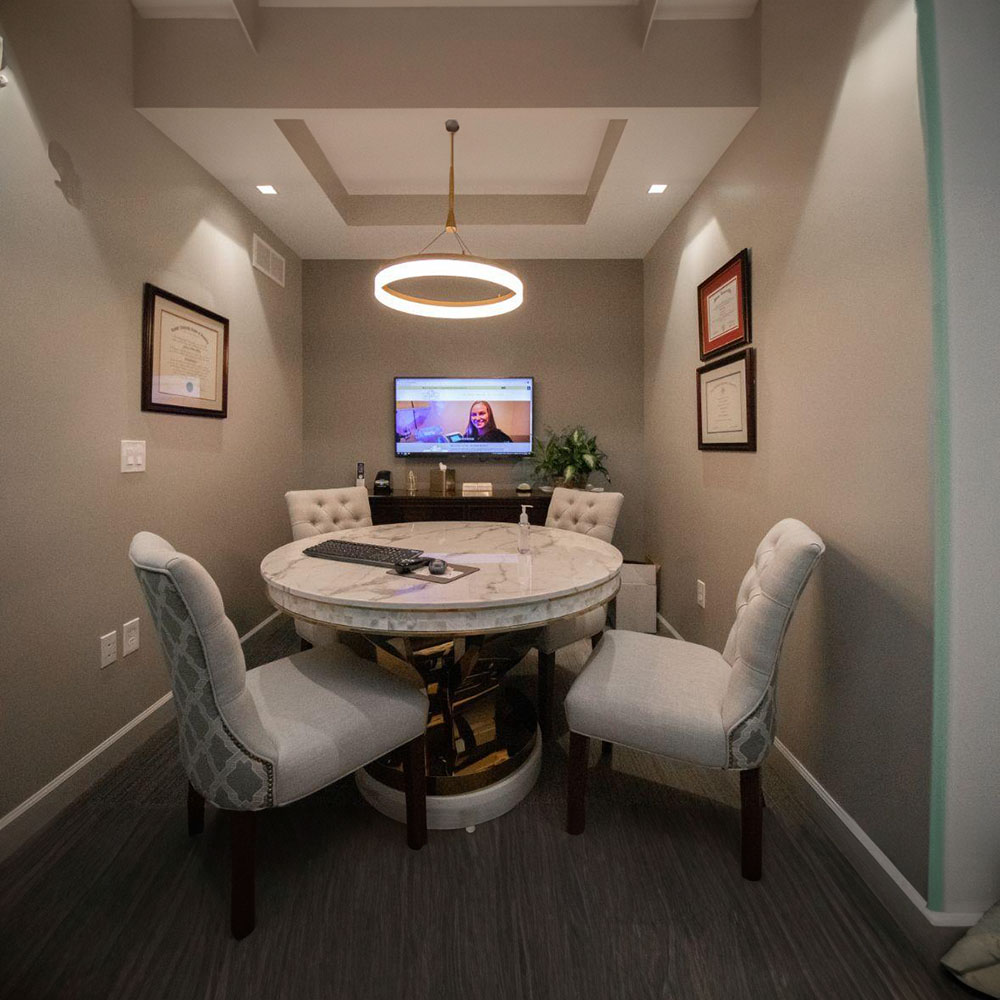
The path to a restored, high-functioning smile is a journey of precision, and it begins with a single, focused conversation. We invite you to experience the intersection of clinical mastery and uncompromising luxury at The Haddon Dentist. Whether you are seeking the immediate results of CEREC® same-day crowns, exploring the life-changing benefits of dental implants, or ready to revitalize your aesthetic with professional teeth whitening, we are here to curate a plan tailored exclusively to you. Your time is your most valuable asset, and we cherish the opportunity to provide the elite care you deserve in an environment that respects your comfort and your goals.