If multiple oral health issues have left your smile fragmented or uncomfortable, a coordinated full mouth reconstruction can restore both your function and confidence. This process is more than a sequence of procedures — it is a comprehensive plan tailored to your anatomy, goals, and long-term oral health. At our practice, we combine careful diagnostics with modern restorative techniques to create outcomes that look natural, feel comfortable, and are built to last.
Successful full mouth reconstruction begins with a detailed evaluation that establishes a clear, individualized roadmap. We take a holistic view of your oral health: examining tooth structure, gum health, jaw joint function, bite relationships, and facial proportions. Advanced imaging and digital impressions provide precise data that inform every phase of planning and help predict how final restorations will interact with your bite and smile dynamics.
Treatment planning is collaborative. When complex periodontal, orthodontic, or surgical needs arise, we coordinate with trusted specialists—periodontists, oral surgeons, and orthodontists—to sequence care in a way that optimizes health and esthetics. This team-based approach reduces surprises and ensures each procedure supports the next, from preliminary stabilizing work to final restorations.
Every plan is tailored to your priorities and realistic clinical goals. We discuss material choices, timelines, and what to expect at each appointment so you can make informed decisions. The result is a roadmap that balances immediate needs with long-term durability and facial harmony.
Full mouth reconstruction addresses problems that affect the entire bite rather than a single tooth. Typical issues include widespread tooth decay, extensive wear from grinding, multiple missing teeth, fractured teeth, or changes in bite that cause pain or dysfunction. Left untreated, these conditions can accelerate tooth loss, reduce chewing efficiency, and alter facial support.
Beyond esthetics, restoring proper tooth relationships improves oral function and overall comfort. Reconstructing the bite can relieve strain on the temporomandibular joints, reduce muscle fatigue, and reduce the risk of further chipping or fracture. Re-establishing the proper vertical dimension and occlusion helps protect both natural teeth and prosthetic restorations over time.
For many patients, restoration also restores confidence. A comprehensive approach can replace missing teeth, correct alignment issues, and reshape worn or misshapen teeth so your smile looks balanced and natural while performing reliably in daily life.
Modern full mouth reconstruction draws on a range of proven therapies, selected to meet each patient’s unique needs. These include precision crowns and bridges, implant-supported restorations, fixed and removable prosthetics, and conservative procedures when appropriate. Implant dentistry often plays a central role when teeth are missing, providing a foundation for restorations that mimic natural tooth function.
Digital tools have changed the way reconstructions are planned and delivered. High-definition intraoral scans, 3D imaging, and virtual treatment planning allow us to visualize final outcomes before work begins. In-office technologies such as CEREC same-day crown milling can produce precise, long-lasting restorations under careful clinical control, helping to streamline treatment when indicated.
Materials and techniques are chosen with longevity and appearance in mind. Porcelain and ceramic options offer lifelike translucency and strong wear resistance, while modern implant components and prosthetic designs provide a stable platform for chewing and speech. Each element is selected to harmonize with your facial features and to support a secure, comfortable bite.
Your reconstruction will typically proceed in stages that follow the treatment roadmap. Initial appointments focus on diagnostics, stabilization of active disease, and the fabrication of temporary restorations when needed. These provisional phases allow us to test bite changes and esthetic choices before finalizing the design, helping to refine the result incrementally.
Surgical phases, when required, are scheduled to allow for proper healing and integration. Implant placement, bone grafting, or periodontal procedures are coordinated with restorative steps so that each phase supports long-term success. Throughout treatment, we monitor healing and make adjustments to provisional restorations to ensure comfort and function as your tissues adapt.
Final restorations are placed only after achieving stable results with provisional work and confirming that esthetic and functional objectives are met. Post-procedure visits focus on occlusal refinement and patient comfort. Clear instructions for home care, dietary considerations during healing, and follow-up scheduling help maintain momentum toward a successful, long-lasting outcome.
Long-term success depends on consistent maintenance and the appropriate protective measures. Routine professional care—regular cleanings, examinations, and periodic imaging—keeps restorative work and natural teeth healthy. We also emphasize the importance of a tailored home-care regimen to preserve the integrity of restorations and soft tissues.
For patients with a history of grinding or clenching, custom night guards can protect restorations and reduce destructive forces. Periodic occlusal checks and adjustments help ensure that bite relationships remain stable as restorations and natural teeth wear over time. When implants are part of the plan, specialized maintenance protocols help preserve peri-implant health.
Our goal is to provide reconstructions that remain functional and attractive for years. With proactive care, patient education, and routine follow-up, many patients enjoy stable oral health and the confidence that comes with a complete, well-executed smile restoration.
At The Haddon Dentist, we approach full mouth reconstruction with the precision of a specialist and the practical considerations of everyday life. If you are considering comprehensive restorative care and would like to learn how a personalized plan might help you, please contact us for more information.


Full mouth reconstruction is a comprehensive approach to restoring the health, function and appearance of all or most of the teeth in both the upper and lower jaws. It is not a single procedure but a coordinated sequence of treatments tailored to a patient’s unique anatomy, bite relationships and long‑term goals. The plan addresses structural issues, gum health, jaw function and esthetics to produce a balanced, sustainable result.
The primary objectives are to restore efficient chewing, relieve pain or joint strain, protect remaining tooth structure and create a harmonious smile. Each reconstruction prioritizes durable materials and techniques chosen for longevity and natural appearance. At The Haddon Dentist we combine specialist prosthodontic expertise with modern digital workflows to design predictable outcomes that fit everyday life.
Candidates are patients who have extensive restorative needs that affect the bite and overall oral function rather than an isolated tooth problem. Common indications include widespread decay, severe wear from grinding, multiple missing or fractured teeth, chronic temporomandibular joint symptoms, or previous restorations that have failed. Many patients present with a combination of these issues that require a coordinated, multidisciplinary approach.
A candidacy evaluation emphasizes medical and dental history, current oral health and realistic goals for treatment. The practice will determine whether conservative measures, staged restorative care, orthodontics or surgical interventions are necessary to achieve a stable result. The plan is individualized so that treatment complexity matches the patient’s clinical needs and expectations.
Planning begins with a comprehensive diagnostic workup that includes a clinical exam, detailed photographs, intraoral scanning and three‑dimensional imaging when indicated. We assess tooth structure, gum health, occlusion, jaw joint function and facial proportions to create a reliable roadmap for treatment. Digital records help the team visualize how proposed restorations will interact with the bite and facial features before any irreversible work is performed.
Planning is collaborative and often involves specialists in periodontics, oral surgery or orthodontics when their expertise is needed. Material selection, sequencing of procedures and provisional restoration strategies are discussed with the patient to align clinical objectives with personal priorities. This structured approach reduces surprises and increases the likelihood of a comfortable, long‑lasting outcome.
Full mouth reconstruction can involve a combination of restorative, surgical and periodontal therapies depending on individual needs. Typical elements include crowns and bridges, implant‑supported restorations, fixed and removable prosthetics, root canal therapy, periodontal treatment and selective tooth extractions. Orthodontic movement or bite equilibration may be incorporated when necessary to optimize occlusion and long‑term stability.
Conservative options are considered wherever they can preserve tooth structure and improve function, while stronger, more durable restorations are chosen for teeth under heavy load. Temporary or provisional restorations provide an interim stage to test esthetics and function before final prosthetics are placed. Sequencing and timing are planned to allow proper healing and predictable integration of each component.
Treatment duration varies widely based on the complexity of the case and the need for surgical procedures or tissue healing. Some patients complete preliminary phases, such as decay control and provisional restorations, within a few weeks, while cases that require implants, bone grafting or orthodontics can extend over several months to a year. The timeline is broken into stages to allow assessment and refinement at each milestone.
Surgical healing periods and implant integration times are important determinants of the overall schedule, and interim restorations are used to maintain function and esthetics while tissues stabilize. Regular follow‑up visits allow the team to monitor progress and make adjustments so that final restorations are placed only after optimal conditions are achieved. Patients receive a clear, individualized timeline during the planning phase so they know what to expect at each stage.
Dental implants serve as stable foundations for replacing one or more missing teeth and are often central to comprehensive reconstructions when tooth loss has occurred. Implants preserve adjacent natural teeth by eliminating the need to use them as bridge abutments, and they help maintain jawbone volume by transmitting functional forces to the bone. Properly planned and placed implants can restore chewing efficiency and provide long‑term support for fixed or removable prosthetics.
Implant treatment relies on careful three‑dimensional planning, appropriate implant selection and coordinated surgical/restorative sequencing. When implants are part of the plan, the practice oversees prosthetic design to ensure the final crowns, bridges or hybrid dentures harmonize with the bite and facial proportions. Specialized maintenance protocols and routine peri‑implant assessments are important for preserving implant health over time.
Digital tools enhance predictability and efficiency throughout the reconstruction process by allowing precise diagnostics, virtual treatment simulation and accurate prosthetic fabrication. Intraoral scans, 3D imaging and virtual articulation provide detailed data that guide tooth preparation, implant placement and occlusal design. These technologies enable the team to preview esthetic and functional outcomes and to make evidence‑based decisions before irreversible steps are taken.
Chairside systems such as same‑day milling can produce high‑quality provisional or final restorations under direct clinical control, reducing the need for multiple laboratory‑dependent appointments when appropriate. Digital records also facilitate communication among specialists and streamline adjustments to provisional restorations as the treatment progresses. The result is improved fit, reduced revision rates and a smoother patient experience.
Recovery expectations depend on the specific procedures performed; minor restorative work typically has minimal downtime while surgical interventions require additional healing time. Patients may experience swelling, mild discomfort and temporary changes in chewing comfort following extractions, grafting or implant placement, and these symptoms are usually managed with routine post‑operative care and short‑term medication as directed. The practice provides clear aftercare instructions to support healing and reduce the risk of complications.
Provisional restorations protect prepared teeth and maintain esthetics and function while tissues adapt, and follow‑up visits are scheduled to monitor progress and adjust the bite as needed. Dietary modifications and careful oral hygiene during the initial healing period promote tissue recovery and integration of implants or grafts. Regular communication with the treatment team ensures concerns are addressed promptly and outcomes remain on track.
Long‑term success depends on a consistent maintenance routine that combines professional care with attentive home hygiene. Regular dental checkups, professional cleanings and periodic imaging help detect early changes in restorations or soft tissues so interventions can be timely and conservative. Custom protective appliances, such as night guards, are recommended for patients who clench or grind to shield restorations from excessive forces.
Patients should avoid destructive habits like chewing hard objects and should follow any specific cleaning protocols for implants or prosthetics. Periodic occlusal evaluations and adjustments preserve bite relationships as restorations and natural teeth wear over time. Ongoing collaboration with the practice ensures repairs, maintenance or preventive measures are provided before small issues escalate.
You should consider consulting a specialist when dental problems are widespread, when multiple restorative failures have occurred, or when bite‑related pain, chewing difficulty or significant tooth wear affects daily life. A prosthodontist or a practice led by a prosthodontist offers advanced training in complex restorative planning and can coordinate interdisciplinary care to address surgical, periodontal and orthodontic needs. Early consultation helps identify conservative options and creates a structured roadmap for comprehensive care.
If you have struggled with repeated restorations, chronic jaw pain, or missing teeth that compromise function or appearance, a specialist evaluation can clarify the most predictable path forward. To learn more about individualized treatment planning or to schedule a consultation, contact The Haddon Dentist and speak with our team about next steps.
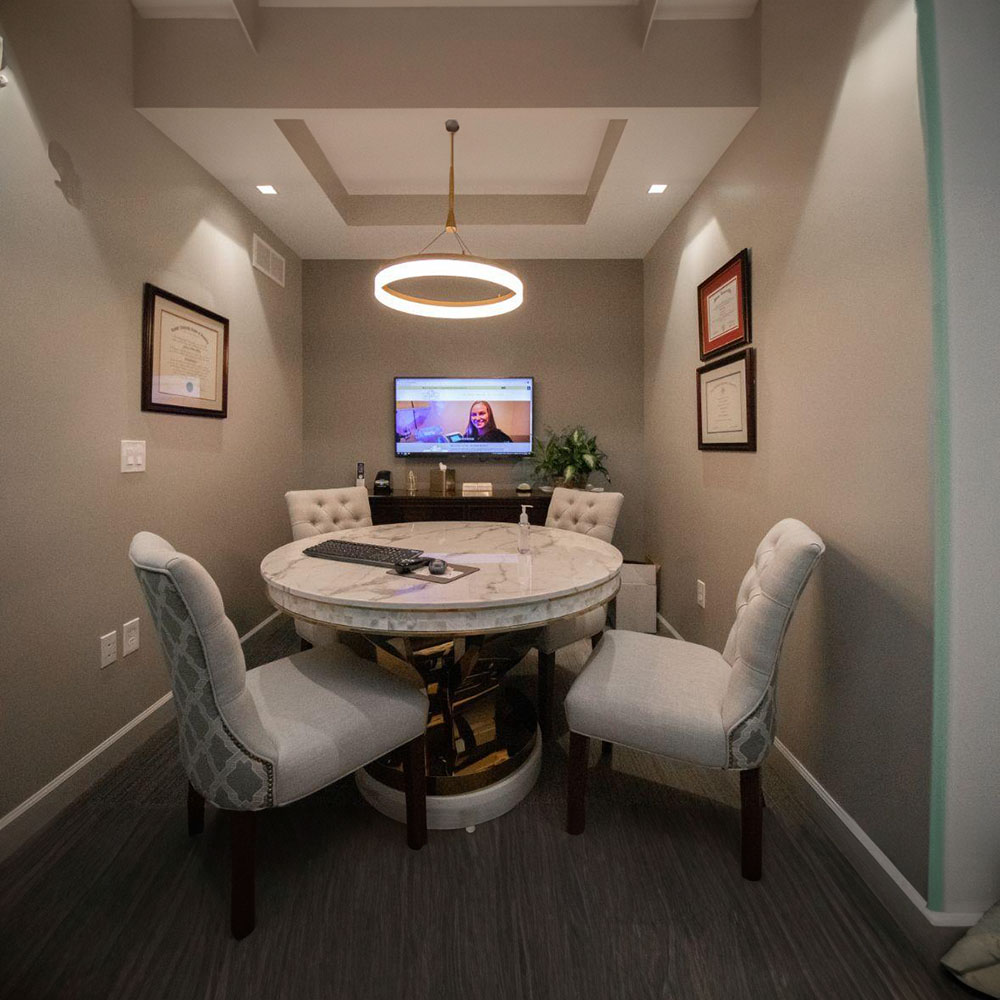
The path to a restored, high-functioning smile is a journey of precision, and it begins with a single, focused conversation. We invite you to experience the intersection of clinical mastery and uncompromising luxury at The Haddon Dentist. Whether you are seeking the immediate results of CEREC® same-day crowns, exploring the life-changing benefits of dental implants, or ready to revitalize your aesthetic with professional teeth whitening, we are here to curate a plan tailored exclusively to you. Your time is your most valuable asset, and we cherish the opportunity to provide the elite care you deserve in an environment that respects your comfort and your goals.