Invisalign® offers a contemporary alternative to brackets and wires — a treatment centered on predictability, comfort, and discretion. For many adults and teens seeking alignment without the aesthetic trade-offs of traditional braces, clear aligners provide a controlled path to a healthier bite and a more confident smile. Below you’ll find an in-depth look at how the system works, what to expect during treatment, and how our office supports patients through each stage of care.
Clear aligners are designed to move teeth in measured stages using a sequence of custom-made trays. Each tray applies gentle pressure in specific places, guiding individual teeth toward their intended positions. Because the process is incremental and planned in detail, patients experience a gradual, comfortable progression rather than abrupt shifts.
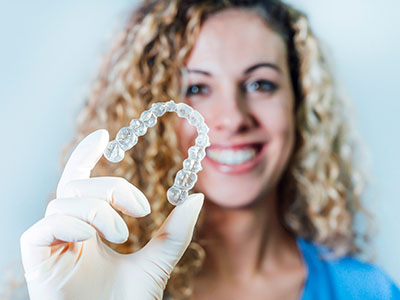
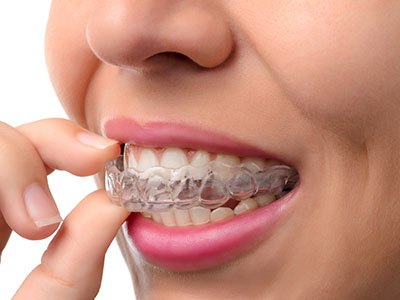
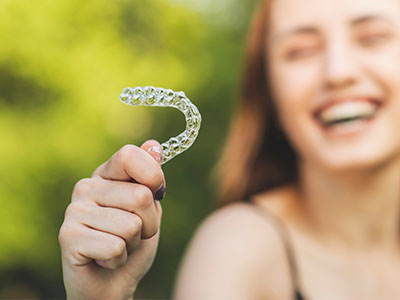
One of the primary benefits is discretion. Aligners sit flush against the teeth and are nearly invisible when worn, which appeals to patients who want predictable results without drawing attention during everyday interactions. The removable nature of the trays also makes it possible to maintain normal oral hygiene and enjoy meals without restrictions.
Clear aligner therapy is versatile; it can address a wide range of alignment challenges from mild crowding or spacing to more complex bite concerns when combined with proper clinical oversight. Treatment decisions are based on diagnostic records and individualized planning — not a one-size-fits-all approach — so outcomes reflect careful alignment of function and esthetics.

Invisalign® for Teens

Invisalign® for Brides

Invisalign® for Travelers
Before & After Photos
Invisalign® Videos
FAQs
Invisalign® vs Braces
Invisalign® vs Direct-To-Consumer Aligners
Is Invisalign® Right For Me?

Invisalign® Costs
Before beginning treatment, clinicians use a combination of visual exams, digital scans, and imaging to determine the most appropriate course of action. These diagnostic steps establish a baseline and allow for a fully informed discussion of expected movement, estimated timeline, and any adjunctive care that might be recommended. Your clinical team will prioritize tooth health and long-term stability at every decision point.
Clear aligners are not a cosmetic shortcut; they are a medical appliance that performs orthodontic tooth movement. Success depends on accurate planning, consistent wear, and regular professional oversight. Patients who adhere to their prescribed wear schedule and attend scheduled check-ins typically experience more reliable results and smoother transitions between aligner stages.
The foundation of effective aligner therapy is a comprehensive treatment plan. Using high-resolution digital scans or intraoral impressions, clinicians create a three-dimensional map of your current bite and teeth positions. From that model, a step-by-step movement plan is developed so every aligner in the series serves a precise purpose within the overall strategy.
Digital treatment simulation allows patients and providers to preview projected tooth positions and to refine objectives before any aligner is produced. That visualization clarifies expectations and aids informed consent: you can see the intended progression and discuss alternative approaches if needed. This level of planning helps reduce surprises and supports a smoother clinical experience.
Periodic clinical reviews remain a critical part of care. Even with advanced planning, small adjustments may be necessary as teeth respond to treatment. Regular appointments allow your clinician to verify fit, monitor movement, and make timely corrections — ensuring that the plan stays aligned with functional needs and esthetic goals.
Aligner systems rely on precise manufacturing and controlled force application. Advances in materials and digital workflows have improved the predictability of tooth movement while enhancing patient comfort. Each aligner is manufactured to tight tolerances so that the force vectors applied to teeth are consistent from one stage to the next.
Clinical software integrates diagnostic records, movement staging, and appliance fabrication, enabling a coordinated workflow from the consult through the final retainer. This digital integration shortens turnaround times for aligner sets and provides clinicians with tools to evaluate planned movements efficiently and accurately.
Because the science of aligners continues to evolve, clinicians must combine current technology with sound clinical judgment. Careful assessment of tooth anatomy, root positions, periodontal health, and bite relationships informs whether aligners are the right modality and whether auxiliary techniques or refinements are indicated to achieve an optimal outcome.
Wearing aligners consistently is the single most important factor in achieving predictable results. Most plans call for aligners to be worn for the majority of each day, removed only for eating and routine oral hygiene. Patients appreciate the ability to brush and floss normally, which supports better gum health throughout treatment.
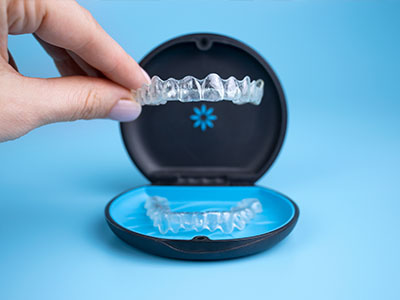
Cleaning and caring for aligners is straightforward: rinse trays regularly and use a nonabrasive cleaning method recommended by your clinician. Avoiding hot liquids and abrasive cleansers prolongs the life of each tray and preserves clarity. Small habits — like storing trays in a ventilated case when not in use — reduce the risk of loss or damage.
Everyday activities such as speaking and social interaction typically require a short adjustment period. Most patients find that any initial changes to speech or sensation subside quickly as they adapt to their aligners. Clear communication with your care team about comfort or fit concerns ensures timely solutions without interrupting progress.
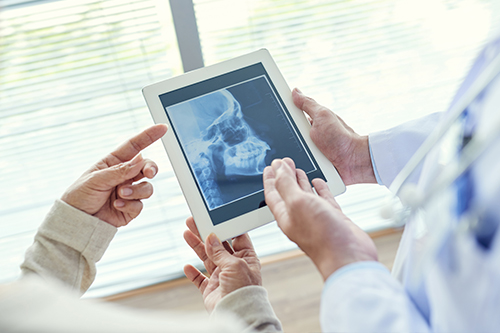
During your first visit, your clinician evaluates oral health, discusses goals, and reviews digital records. This conversation establishes realistic objectives and a treatment path that balances appearance with functional improvement.
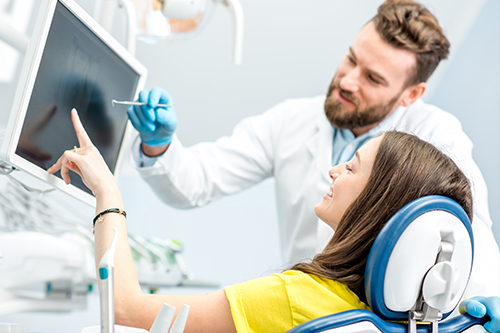
A precise digital scan creates a 3D model used to plan the sequence of tooth movements. You will often see a visual preview of the anticipated changes, which helps align expectations and finalize the plan.
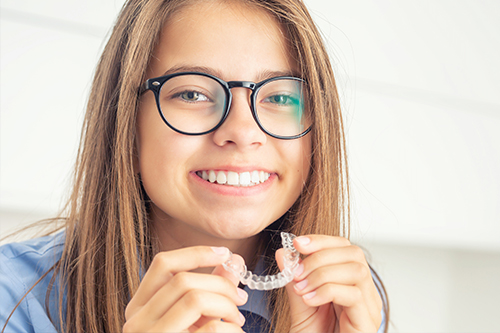
Aligners are fabricated to match the plan’s specifications and are designed to fit closely while delivering controlled forces. Comfort-oriented design features are incorporated to improve wearability throughout the course of treatment.

From the first set to the final retention phase, your clinician remains responsible for monitoring progress and making necessary adjustments. Regular check-ins ensure that movement proceeds as planned and that long-term stability is considered.
Short videos provide visual explanations of the aligner process, fitting, and care recommendations to help you prepare for treatment.
*Invisalign® is a registered trademark of Align Technology, Inc.
At The Haddon Dentist, we approach clear aligner therapy with the same commitment to precision and patient-centered care that defines our restorative practice. Our team combines modern digital planning with attentive follow-up to help patients achieve stable, functional results that complement overall oral health.
Whether your objectives are primarily esthetic or focused on bite improvement, thoughtful planning and consistent collaboration with your clinician are the best predictors of a successful outcome. Aligners can be an elegant solution when applied with clinical rigor and clear expectations.
If you’d like to learn more about whether clear aligners are a suitable option for your smile, please contact our office for more information and to schedule a consultation.
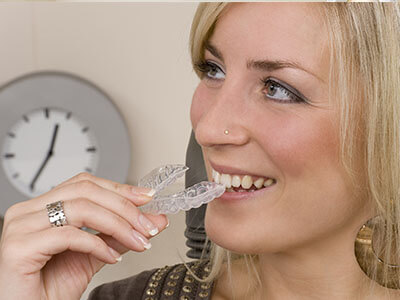

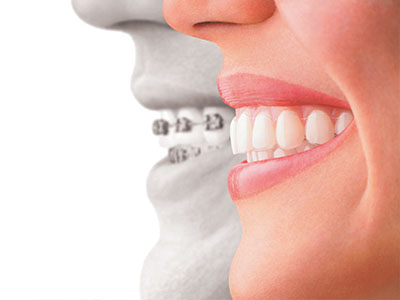
There are many options for patients who want to avoid metal braces! The most popular alternative orthodontic treatment is Invisalign®, which are clear plastic aligners designed to straighten teeth. After an examination of your teeth, your dentist will determine which option is best suited to your wants and needs.
According to the Invisalign® website, the cost for treatment is approximately the same as the cost for metal braces. A portion of this cost may be covered by your insurance. Please call us to set up a consultation and discuss potential payment plan options.
The first step is to schedule a consultation with your doctor, so they can devise a treatment plan that is best suited to your individual dental needs. Once approved, you will receive your first set of aligners. Your doctor will then regularly monitor the movement of your teeth and new aligners will be ordered according to the progress made in your treatment plan.
Invisalign® aligners are made of clear, flexible plastic. The company received a patent for this material – SmartTrack® – to be used exclusively for Invisalign treatment purposes. These aligners are FDA approved and nearly invisible!
Your doctor will give you an estimate regarding how long your Invisalign® treatment should take, which will depend on your specific needs. The average length of time for treatment is approximately 12-18 months. However, some patients may see results far sooner. Remember to wear your aligners exactly as instructed by your doctor to obtain the best results.
Your doctor will most likely recommend that you wear retainers following your Invisalign® treatment. This is a precaution that will prevent your teeth from shifting back to their original positioning. It is important to follow your doctor's instructions exactly to ensure long-lasting results.
You must wear your aligners for up to 22 hours daily. You may remove them for eating, drinking and regular oral hygiene.
No. Unlike braces, you may eat whatever you like as long as you remove the aligners before eating. Prior to placing the aligners back on, it is important to brush your teeth and the aligners after you eat.
Like any orthodontic treatment, there is a short adjustment period. The more you speak with the aligners on, the quicker you will adjust.
There will be some pressure and minor discomfort for a day or two after each initial insertion. This is a sign that your teeth are moving sequentially into their final position.
It is recommended that you remove your aligners prior to chewing gum as the gum will stick to the aligners.
We discourage smoking with aligners as the cigarette smoke will tend to discolor them.
Brushing them with toothpaste will keep them fresh and clean.
Regular office visits are every five to six weeks. This will ensure that your Invisalign treatment is progressing as planned.
All orthodontic patients are instructed to wear their retainers at night indefinitely. Sleeping with your retainers in at night will ensure a healthy bite and maintain the new position of your teeth.
Yes, if their teeth, including second molars, have grown in completely.
Invisalign® is a system of clear, removable aligners that move teeth through a planned sequence of incremental adjustments. Each aligner is custom fabricated to apply gentle, targeted forces that guide individual teeth toward their intended positions. The treatment is staged using digital planning software so every tray contributes to a controlled progression.
The system relies on precise fit, timed wear, and periodic clinical review to ensure movements follow the prescribed plan. Attachments or auxiliaries may be used when needed to create specific force vectors or to manage rotations and extrusions. Final outcomes are typically secured with retainers to preserve alignment after active movement.
Many adolescents and adults with mild to moderate crowding, spacing, or certain bite irregularities can be treated successfully with clear aligners. Candidate suitability depends on tooth anatomy, root positions, periodontal health, and the severity of the malocclusion. A clinical exam and diagnostic records are required to determine whether aligners are the appropriate appliance.
Complex skeletal discrepancies or severe tooth movements sometimes require combined treatment with fixed appliances or surgical approaches under specialist care. In a prosthodontic practice, clinicians may recommend adjunctive procedures such as interproximal reduction or restorative adjustments to optimize predictability. Open communication about goals and limitations helps set realistic expectations before treatment begins.
Planning begins with comprehensive diagnostic records including clinical examination, periodontal assessment, and high-resolution digital scans or impressions. The three-dimensional model allows precise staging of tooth movements and helps identify potential conflicts before appliance fabrication. Treatment goals balance esthetic objectives with functional requirements such as occlusion and long-term stability.
Digital simulation lets patients and providers review the proposed sequence and make refinements to the plan prior to manufacturing. At The Haddon Dentist, clinicians apply their prosthodontic expertise to coordinate aligner therapy with restorative work when necessary. Regular reviews during active treatment ensure that the plan remains appropriate as teeth respond to forces.
The initial visit typically includes a detailed review of dental and medical history, clinical photographs, and a digital scan or impressions. The clinician will evaluate tooth alignment, bite relationships, periodontal health, and any restoration needs that could affect treatment. This assessment forms the basis for a personalized treatment plan and a projected sequence of aligners.
You will usually see a digital preview of the expected tooth movements which helps clarify objectives and timing. The clinician will discuss adjunctive measures that may improve predictability such as attachments, interproximal reduction, or staging changes. Questions about daily wear, hygiene, and follow-up appointments are covered so patients understand their role in treatment success.
Most protocols require aligners to be worn for the majority of the day, typically removing them only for eating and oral hygiene, to maintain consistent force application. Adherence to the prescribed wear schedule is the single most important factor in achieving the planned results. Patients should follow the specific instructions provided by their clinician regarding hours per day and aligner change intervals.
Progress is monitored through periodic clinical visits and, when available, digital check-ins or scans that verify fit and movement. Minor refinements can be made if teeth are not tracking as planned, and additional aligner sets may be issued to complete the final stages. Timely communication about fit, comfort, or unexpected changes helps clinicians make adjustments efficiently.
Maintaining excellent oral hygiene is essential during aligner treatment because removable trays make it easier to brush and floss effectively between meals. Patients should rinse aligners after removal and clean them using a nonabrasive method recommended by the clinician to prevent staining and bacterial buildup. Avoiding hot liquids preserves tray shape and transparency.
Storing aligners in a ventilated case when not in use reduces loss and contamination risk. Regular professional cleanings and periodontal monitoring support long-term gum health during tooth movement. If an aligner becomes damaged or ill-fitting, contact your care team promptly to prevent unwanted tooth movement.
Clear aligners are effective for many malocclusions including mild to moderate crowding, spacing, and certain Class I or mild Class II bite discrepancies when planned appropriately. Some more complex cases, such as severe skeletal disharmony or large tooth movements, may require combined approaches with fixed appliances or surgical intervention. Clinical judgment determines whether aligners alone are sufficient or if adjunctive therapies are needed to reach functional goals.
When appropriate, clinicians may use auxiliaries such as elastics, attachments, or staged restorative adjustments to manage rotations and vertical changes. Coordination with specialists, including orthodontists or oral surgeons, is common when multidisciplinary care will produce a better long-term result. The emphasis is on achieving stable occlusion as well as esthetic improvement.
Digital scanning, 3D modeling, and treatment simulation are central to modern aligner workflows because they increase precision and allow visualization of planned outcomes. These tools enable clinicians to plan movement sequences, assess tooth anatomy, and anticipate potential limitations before aligners are fabricated. High-resolution records also streamline communication between the practice and the aligner provider.
Intraoral scanners reduce the need for traditional impressions and improve patient comfort during record-taking. Digital tracking and remote monitoring options can shorten in-office visits and provide timely feedback on treatment progress. However, technology complements but does not replace clinical expertise in decision-making and adjustment.
Retention preserves the tooth positions achieved during active treatment and is a planned component of the overall protocol. Retainers may be removable clear appliances or bonded fixed retainers depending on the case, patient preferences, and risk of relapse. The clinician designs a retention schedule that balances practicality with the need to stabilize teeth long term.
Early retention often requires more consistent wear, tapering to nighttime-only use as stability improves, though some cases benefit from long-term nighttime retention. Monitoring during retention visits allows the clinician to detect minor shifts and address them before they become significant. Clear communication about retainer care and replacement supports long-term maintenance of results.
To determine suitability for Invisalign®, schedule a consultation where our team will take records, evaluate oral health, and discuss your esthetic and functional goals. At that visit, the clinician will explain the diagnostic findings and present a proposed treatment approach based on prosthodontic principles. This conversation helps you understand expectations, potential adjunctive procedures, and how aligners would integrate with any restorative plans.
The Haddon Dentist combines advanced digital planning with long-term restorative insight to ensure aligner decisions prioritize stability and function as well as esthetics. If aligners are appropriate, the practice will outline the diagnostic steps and follow-up schedule needed to support predictable outcomes. If another approach would better serve your needs, the clinician will recommend alternatives or collaborations with colleagues to achieve the optimal result.
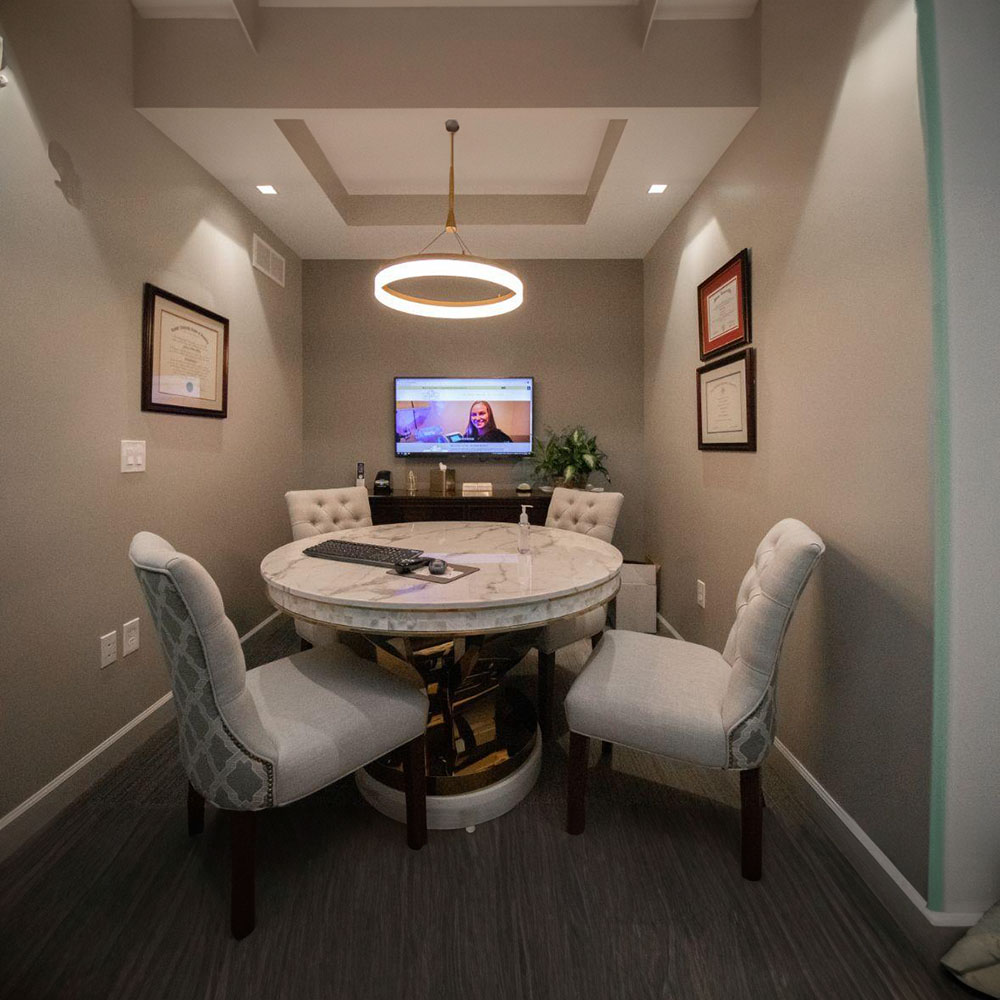
The path to a restored, high-functioning smile is a journey of precision, and it begins with a single, focused conversation. We invite you to experience the intersection of clinical mastery and uncompromising luxury at The Haddon Dentist. Whether you are seeking the immediate results of CEREC® same-day crowns, exploring the life-changing benefits of dental implants, or ready to revitalize your aesthetic with professional teeth whitening, we are here to curate a plan tailored exclusively to you. Your time is your most valuable asset, and we cherish the opportunity to provide the elite care you deserve in an environment that respects your comfort and your goals.