Bruxism describes the unconscious clenching or grinding of the teeth and it commonly happens during sleep. For many patients, the first signs are morning jaw stiffness, headaches that begin near the temples, or teeth that feel unusually sensitive. Although stress and daytime tension are frequent contributors, nighttime bruxism can also be linked to sleep disturbances, an uneven bite, or the way certain teeth meet when chewing.
Left untreated, these repetitive forces can wear enamel, chip restorative work, and place extra strain on the jaw joint (the TMJ). Patients sometimes dismiss occasional grinding as harmless, but when it becomes chronic it can start to affect daily comfort, sleep quality, and the long-term stability of dental work. Early recognition is the first step toward limiting damage and improving well-being.
Because bruxism has multiple triggers and presentations, evaluation by a dental professional is important. An exam can identify physical signs such as flattened cusps, new fractures, or muscle tenderness, while a careful review of sleep, stress, and dental history helps guide appropriate treatment choices. Night guards are one of the simplest and most effective tools available to interrupt the destructive patterns that occur while sleeping.
A night guard functions as a protective barrier that separates the upper and lower teeth, preventing them from making destructive contact during episodes of grinding. By redistributing forces and keeping the jaws slightly apart, the appliance reduces direct wear on enamel and lessens the load transmitted to the TMJ and surrounding muscles. This mechanical separation helps to prevent cracked teeth, broken restorations, and ongoing tooth loss related to chronic bruxism.
In addition to protecting hard tissues, a properly fitting night guard can ease muscle fatigue and associated discomfort. When the jaw muscles are prevented from repeatedly clenching against opposing teeth, patients often notice a reduction in morning pain and tension-type headaches. For many, the nighttime use of an occlusal appliance creates a more restorative sleep by limiting micro-arousals that accompany forceful grinding.
It is important to understand that a night guard treats the symptoms of bruxism rather than curing its underlying causes. That said, providing a stable, comfortable interface between the arches can interrupt harmful habits and slow progression of dental damage. A comprehensive approach—combining an appliance with behavioral changes, sleep hygiene, and, when appropriate, medical evaluation—produces the best long-term outcomes.
Night guards come in several designs and materials, and the best option depends on the patient’s symptoms, severity of bruxism, and dental history. Soft appliances are often comfortable for light grinders and can provide immediate relief from muscle soreness. For heavier grinders or those who exert higher bite forces, a more durable, rigid appliance offers greater protection against enamel wear and fractured restorations.
Another important distinction is whether an appliance is made over the upper or lower teeth and whether it is a full-coverage or partial design. Full-coverage splints tend to distribute forces more evenly and are commonly used to protect multiple teeth and existing restorative work. The selection process should prioritize both protection and comfort so that patients will wear the device consistently throughout the night.
A patient’s broader dental condition also influences the decision. Missing teeth, crowns, implants, and bite alignment are all factors that affect how an appliance will perform. A personalized assessment allows the clinician to recommend the device that best balances durability, comfort, and compatibility with other dental care the patient may need.
A custom night guard begins with a focused dental evaluation to document signs of bruxism and review contributing factors. At that appointment, the clinician will examine teeth, restorations, and jaw function, and discuss your sleep patterns and daily habits. A digital scan or impression of the teeth captures the exact contours needed to fabricate an appliance that fits securely and feels natural.
Modern fabrication methods use either laboratory-processed materials or in-office digital workflows to produce appliances with precise occlusion and long-term stability. During a fitting visit, adjustments are made so the guard seats fully, does not interfere with normal jaw movements, and removes easily for cleaning. The final step is instruction on nightly use, storage, and when to return for follow-up checks.
Follow-up is an integral part of successful therapy. Initial adjustments are common as the bite settles on the new appliance, and periodic reviews help ensure the device continues to protect your teeth and jaw. If symptoms persist or change, the appliance can be modified or replaced with a different design better suited to the patient’s evolving needs. The goal is a durable solution that integrates into the patient’s routine without compromising comfort.
Proper daily care significantly extends the life and effectiveness of a night guard. Rinse the appliance after each use, brush it gently with a non-abrasive cleanser, and store it in a ventilated case away from direct heat. Avoid toothpaste with harsh abrasives that can scratch the surface and create sites for bacteria to accumulate. Regular cleaning reduces odor and helps maintain the appliance’s shape and function.
Over time, a night guard will show normal wear or may become less effective if your bite changes. Patients should inspect their appliances regularly for cracks, thinning, or deformities and bring any concerns to the dental team. Routine dental visits allow the clinician to monitor both the guard and the condition of your teeth and restorations so interventions can be made before significant damage occurs.
For many patients, consistent use of a night guard is a long-term strategy rather than a short-term fix. When combined with stress management, improved sleep habits, and corrective dental measures if needed, an occlusal appliance becomes part of a broader plan to preserve oral health and comfort. If changes in sleep, medication, or dental status occur, revisiting the treatment plan ensures the chosen appliance remains the best option.
In summary, night guards offer a practical, evidence-based way to protect teeth and relieve the symptoms of bruxism. A custom-fitted appliance tailored to your bite and needs provides superior comfort and protection compared with one-size-fits-all solutions. The Haddon Dentist can evaluate your situation, explain the options, and oversee fabrication and follow-up so your appliance supports long-term oral health. Contact us to learn more or to schedule an evaluation with our team.


Bruxism is the unconscious clenching or grinding of the teeth that most commonly occurs during sleep and can be either episodic or chronic. Typical early signs include morning jaw stiffness, temple-area headaches, tooth sensitivity, and visible wear on enamel. Because it often happens outside conscious awareness, patients may not recognize the problem until dental damage or persistent discomfort appears.
Occasional grinding after a stressful day differs from chronic bruxism in frequency and potential for harm; repeated nightly forces can chip restorations, flatten cusps, and place strain on the temporomandibular joint. Multiple factors contribute to bruxism, including stress, sleep disturbances, and how teeth meet when chewing. A dental evaluation is important to document physical signs and guide treatment before irreversible damage occurs.
A night guard serves as a protective barrier that separates the upper and lower teeth, preventing direct contact during grinding episodes and redistributing occlusal forces. By keeping the arches slightly apart and spreading forces more evenly, the appliance reduces enamel wear, the risk of cracked teeth, and stress on existing restorations. This mechanical protection is especially valuable for preserving long-term dental work and preventing progressive tooth loss related to chronic bruxism.
Beyond protecting hard tissues, a well-fitting night guard can decrease muscle fatigue and reduce the frequency of morning pain and tension-type headaches. Limiting forceful contacts at night may also reduce sleep micro-arousals associated with forceful grinding, improving sleep quality for some patients. It is important to recognize that a night guard treats the damaging behavior rather than curing underlying causes, so it is most effective when combined with a broader management plan.
Night guards are available in a range of designs and materials, from softer, more flexible appliances to rigid, lab-processed splints made from durable acrylic. Soft guards can be comfortable for light or intermittent grinders and can relieve muscle soreness, while rigid appliances are typically recommended for heavier grinders, patients with extensive restorations, or those who generate higher bite forces. Another distinction is whether the guard covers the upper or lower teeth and whether it is full-coverage or partial; full-coverage designs tend to distribute forces more evenly across the dental arch.
The ideal device depends on clinical findings, the severity of wear, and a patient’s overall dental condition, including missing teeth, crowns, and implants. A customized assessment allows the clinician to balance durability and comfort so patients are more likely to wear the appliance consistently. For complex restorative needs or when bite alignment is a concern, a rigid, custom-made splint often provides the most predictable long-term protection.
Discussing lifestyle, symptoms, and previous dental work with your clinician helps narrow choices and set expectations for performance and maintenance. The selection process may also consider patient preference for thickness and feel, since adherence is a key factor in treatment success. Ultimately, a personalized recommendation from the dental team yields the best balance between protection and comfort.
The process begins with a focused evaluation during which the clinician documents signs of bruxism, examines teeth and restorations, and reviews sleep patterns and daily stressors. A digital scan or traditional impression captures the exact contours of the dental arches so an appliance can be fabricated to match your bite precisely. The diagnostic visit also allows the clinician to identify contributing factors that may influence appliance design and long-term management.
Modern fabrication may occur in a dental laboratory or through in-office CAD/CAM workflows that produce highly accurate appliances with controlled occlusion. At the fitting appointment the guard is adjusted so it seats fully, permits normal jaw movement, and removes easily for cleaning, and the patient receives instruction on nightly use and care. At The Haddon Dentist these steps are coordinated to ensure the appliance integrates with any restorative care and that follow-up is scheduled to monitor fit and effectiveness.
Over-the-counter and boil-and-bite appliances can offer short-term relief for some people with mild or occasional grinding, and they are often more affordable and immediately available. However, these one-size-fits-many devices lack the precise fit and occlusal adjustments of a custom-made guard, which can reduce effectiveness and comfort over time. Poor fit and improper occlusion may fail to protect vulnerable restorations and can sometimes exacerbate muscle soreness or create new pressure points.
For patients with chronic bruxism, extensive dental work, or higher bite forces, a custom-fitted appliance is generally recommended for superior protection and longevity. A dental professional can assess whether an over-the-counter option is appropriate as a temporary measure or whether a tailored device is preferable. Consistent, long-term management usually relies on a custom design that matches the patient’s specific dental anatomy and treatment goals.
Night guards can reduce muscular load and break the habit of forceful clenching, often leading to a decrease in morning jaw pain and tension-type headaches. By preventing the teeth from locking tightly together and by redistributing occlusal forces, the appliance can lessen strain on the temporomandibular joint and associated muscles. Many patients notice symptomatic improvement after consistent nightly use, particularly when muscle fatigue was a significant contributor.
It is important to understand that temporomandibular disorders are multifactorial, and a night guard may be only one component of an effective treatment plan. When joint noises, limited opening, or persistent pain are present, a comprehensive approach that includes physical therapy, behavioral strategies, and collaboration with medical providers may be necessary. Ongoing follow-up allows the clinician to modify the appliance or refer for additional evaluation if symptoms do not improve.
Rinse your night guard under cool water after each use and brush it gently with a soft toothbrush and a mild, non-abrasive cleanser to remove debris and bacteria. Avoid toothpaste with harsh abrasives that can scratch the surface and create sites for microbial growth, and never expose the appliance to high heat that can distort its shape. Store the guard in a ventilated case away from direct sunlight and out of reach of pets because acrylic and thermoplastic materials can be damaged.
Periodically soak the appliance in a recommended denture or appliance cleaner according to your clinician’s instructions to help control odor and buildup. Inspect the device regularly for cracks, thinning, or deformation and bring any concerns to your dental team so repairs or replacement can be scheduled as needed. Good daily care extends the life of the guard and helps maintain a sanitary appliance that performs as intended.
The lifespan of a night guard varies with the material used, the severity of grinding, and how consistently it is worn and cared for; some appliances last several years while others may need replacement sooner. Heavy grinders or those with strong bite forces tend to wear through material more quickly, and softer guards will show signs of breakdown earlier than rigid, lab-processed splints. Regular checkups allow the clinician to monitor wear and assess whether the appliance continues to provide adequate protection.
Replace the guard if you notice cracks, significant thinning, persistent changes in fit, or if it causes new discomfort or altered bite relationships. Changes in dental status—such as new crowns, implants, or tooth movement—also warrant reassessment because they can affect how the appliance performs. Timely replacement helps prevent renewed damage to teeth and restorations and ensures the guard remains an effective part of your care plan.
It is common to experience a short adaptation period when first wearing a night guard, during which speech may be slightly altered and saliva production may increase. These effects typically diminish within a few days to a few weeks as the mouth adjusts to the appliance, and many patients find the device becomes comfortable with routine nightly use. If the guard causes persistent difficulty speaking, swallowing, or breathing, it should be evaluated and adjusted by the dental team.
Comfort is closely tied to fit, so a custom-fitted guard that is precisely adjusted for jaw movements will minimize interference with normal function. Small adjustments can relieve pressure points or ease speech changes, and the clinician can recommend wearing schedules to help with adaptation. Open communication with your dental provider ensures the appliance supports both protection and daily comfort.
The decision to include a night guard is based on a thorough assessment of symptoms, the extent of dental wear, the presence of restorations, and contributing factors such as sleep quality and stress. Because a night guard primarily protects teeth and reduces muscle strain, clinicians consider whether additional measures are warranted, including restorative dentistry, orthodontics, behavioral therapy, or medical evaluation for sleep disorders. A comprehensive plan addresses both symptom control and underlying contributors to achieve durable results.
When restorative work, bite alignment, or sleep-related breathing issues are present, the dental team may coordinate care with specialists to ensure treatments are complementary and safe. Ongoing monitoring and periodic reassessment allow the clinician to modify the plan as oral health or lifestyle factors change. The office of The Haddon Dentist can evaluate your situation, explain the role of an appliance in context, and arrange appropriate follow-up or referrals when a broader approach is needed.
Ultimately, a night guard is often one component of an individualized strategy aimed at preserving oral health, protecting restorations, and improving comfort. Clear communication about goals, realistic expectations, and adherence to follow-up visits helps patients get the maximum benefit from both the appliance and any adjunctive therapies. Regular collaboration between patient and provider ensures the selected interventions remain aligned with long-term oral health objectives.
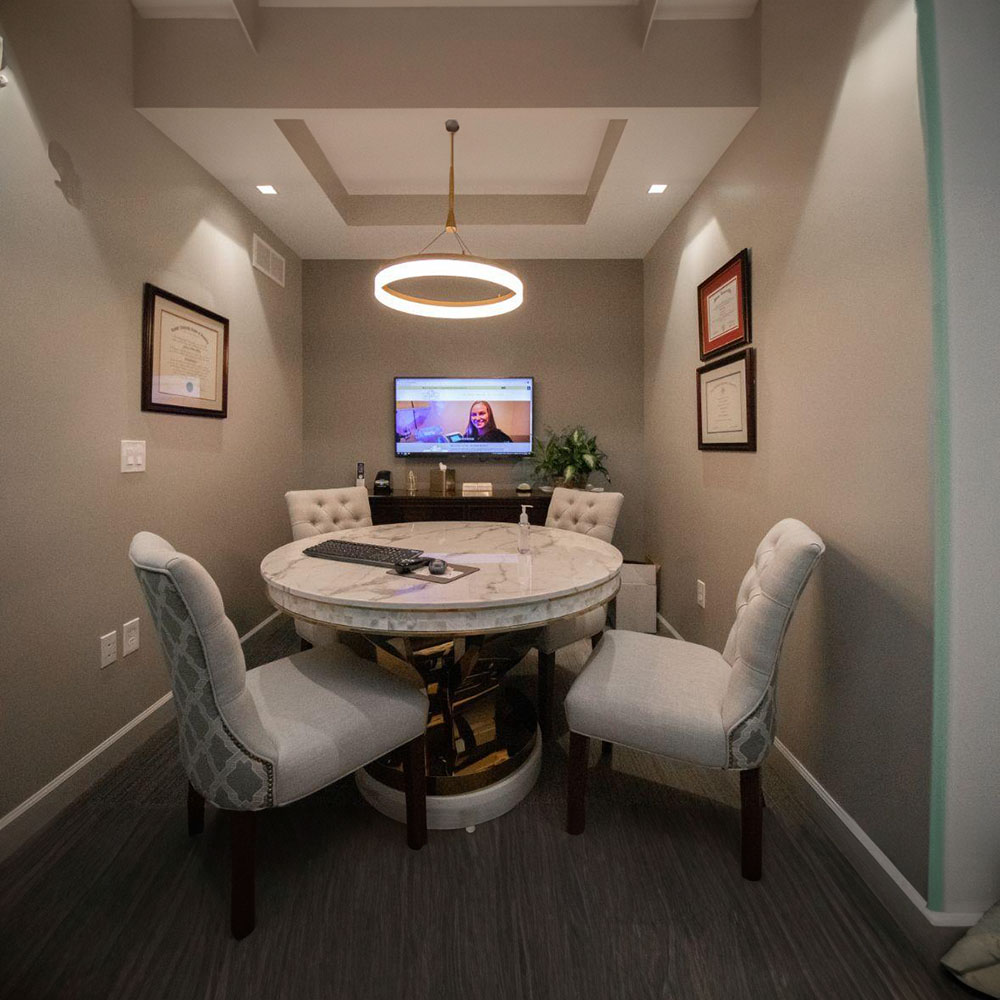
The path to a restored, high-functioning smile is a journey of precision, and it begins with a single, focused conversation. We invite you to experience the intersection of clinical mastery and uncompromising luxury at The Haddon Dentist. Whether you are seeking the immediate results of CEREC® same-day crowns, exploring the life-changing benefits of dental implants, or ready to revitalize your aesthetic with professional teeth whitening, we are here to curate a plan tailored exclusively to you. Your time is your most valuable asset, and we cherish the opportunity to provide the elite care you deserve in an environment that respects your comfort and your goals.