At the office of The Haddon Dentist, prevention is the starting point for lasting oral health. Our Preventative Program is designed to keep small problems small — stopping decay, gum disease, and other oral conditions before they require complex treatment. Beyond preserving smiles, thoughtful preventive care supports overall wellness by reducing infections and identifying early warning signs that can affect systemic health.
Research continues to show connections between oral health and whole-body health. Chronic inflammation and untreated infections in the mouth can contribute to a higher burden of disease elsewhere in the body, and routine dental care is an effective way to lower that risk. Regular exams and cleanings interrupt the progression of bacterial buildup that can lead to gum disease and related complications.
Early detection is a cornerstone of prevention. During routine visits, clinicians screen for oral cancer, assess tissue health, and evaluate signs that might indicate systemic conditions — for example, changes in the mouth that can accompany diabetes or nutritional deficiencies. Identifying these issues early increases the options for conservative, effective care.
Preventive dentistry also reduces the chance of acute dental emergencies. Addressing small areas of decay or gum irritation in their beginning stages means fewer sudden visits, less invasive procedures, and a smoother path to long-term oral comfort and function.
Our program combines evidence-based clinical services with practical patient education. Core components include thorough oral examinations, professional prophylaxis (cleanings), periodontal assessments, and topical fluoride where appropriate. For children and high-risk adults, we also provide dental sealants and targeted fluoride applications to strengthen enamel and minimize decay.
Diagnostic tools such as digital radiography and intraoral cameras allow us to see and document small changes over time while minimizing radiation exposure. These technologies enhance accuracy during exams and help patients understand their oral condition through clear, visual explanations.
Routine oral cancer screening is another integral element. The exam includes careful evaluation of soft tissues and lymph node assessments when indicated. Detecting abnormalities at an early stage improves outcomes and enables timely referral to medical specialists when necessary.
No two mouths are the same, so our approach emphasizes personalized prevention. During your appointment we assess caries risk, gum health, medication effects, and lifestyle factors such as diet and tobacco use. That assessment determines the ideal recall interval and the mix of preventive therapies that will be most effective for you.
For patients with heightened risk — including those with a history of periodontal disease, dry mouth, or systemic conditions — we develop more intensive maintenance plans. These may include more frequent cleanings, specialized homecare instructions, and closer monitoring to catch early changes before they become problems.
We also coordinate care with other healthcare providers when appropriate. Good preventive dentistry often requires understanding a patient’s broader health picture, and collaboration helps ensure recommendations are safe, practical, and aligned with overall medical care.
Professional care is most effective when paired with consistent at-home habits. We spend time teaching proper brushing and interdental cleaning techniques, showing patients how to use tools such as floss, interdental brushes, and powered toothbrushes in ways that suit their mouths. Small improvements in technique can dramatically reduce plaque accumulation and gum irritation.
Nutritional guidance is part of preventive counseling. Frequent exposure to sugars and acidic beverages increases the risk of enamel erosion and cavities; we work with patients to identify realistic dietary changes that support stronger teeth without imposing rigid restrictions.
For children and busy adults alike, we emphasize routines that fit daily life. Creating simple checklists, suggesting realistic timing strategies, and setting achievable goals help patients turn preventive advice into lasting habits.
Appointments typically begin with a review of medical history and a discussion of any concerns or changes since your last visit. A clinical exam follows, including evaluation of teeth, gums, soft tissues, bite, and any existing restorations. Professional cleaning removes plaque and tartar from areas that are difficult to reach at home.
If needed, we take digital radiographs and use intraoral imaging to document areas of interest. These tools support accurate diagnosis and make it easier to track subtle changes over time. Based on findings, your clinician will recommend a personalized maintenance plan and practical steps you can take at home between visits.
To make the most of your appointment, bring an up-to-date list of medications and any questions about changes in your oral health. Our team strives to make preventive visits efficient, comfortable, and informative so patients leave feeling confident about their care plan.
Prevention is the most reliable path to a healthy, functional, and attractive smile. If you’d like to learn more about our Preventative Program or discuss a personalized plan for you or your family, please contact us for more information.


Our Preventative Program focuses on stopping small problems before they require complex treatment by combining routine clinical services with patient education. Core elements include comprehensive oral examinations, professional prophylaxis, periodontal assessments, topical fluoride where appropriate, and sealants for patients at elevated risk. The goal is to preserve natural tooth structure, maintain healthy tissues, and reduce the likelihood of emergency visits.
The program also emphasizes early detection through visual exams and diagnostic imaging so clinicians can document changes and intervene conservatively. Education about homecare techniques and lifestyle factors is integrated into each visit to help patients sustain improvements between appointments. Together, these measures create a coordinated plan tailored to each patient’s health status and risk profile.
Recall intervals are determined by an individualized risk assessment that accounts for factors such as caries risk, periodontal health, medical history, medications, and lifestyle habits. Many patients benefit from semiannual visits, but those with a history of gum disease, dry mouth, or other risk factors may require more frequent maintenance. Establishing an appropriate schedule helps interrupt disease progression and allows clinicians to catch subtle changes early.
During the assessment we review medications and systemic conditions that can affect oral health and adjust the recommended frequency accordingly. Frequent visits support close monitoring and timely preventive measures such as topical fluoride or targeted cleanings. Clear communication about the plan ensures patients understand why their recall interval has been set and how it supports long-term oral wellness.
Oral infections and chronic inflammation can contribute to an increased systemic disease burden, and routine preventive care helps reduce that risk by controlling bacterial buildup and inflammation. Regular exams include screening for signs that may reflect broader health issues, such as changes associated with diabetes or nutritional deficiencies, which enables early referral and coordinated care. By preventing and managing oral disease, preventive dentistry reduces opportunities for bacteria to affect other parts of the body.
In addition, maintaining healthy chewing function and proper dentition supports nutrition and quality of life, which are important contributors to overall wellness. Preventive visits also provide a chance to review medications and habits that influence oral tissues, helping patients and their medical providers make informed decisions. This integrated approach helps align dental prevention with general health goals.
Pediatric prevention emphasizes early habit formation and targeted therapies to protect developing teeth, including periodic exams, professional cleanings, fluoride varnish applications, and dental sealants for molars at risk of decay. Parents receive practical guidance on brushing techniques, age-appropriate fluoride use, and limiting frequent exposure to sugary or acidic drinks. Early education and timely application of preventive treatments reduce the need for restorative care as children grow.
We also monitor eruption patterns and bite development to identify issues that may benefit from early intervention or referral. For children with special needs or high caries risk, we tailor recall frequency and homecare recommendations to provide more intensive support. Collaborative communication with parents ensures preventive strategies are realistic and effective for each child’s routine.
Personalized prevention begins with a thorough risk assessment that evaluates periodontal status, caries history, dry mouth, systemic conditions, medications, diet, and tobacco use. For patients identified as high risk, we often recommend shorter recall intervals, more frequent periodontal maintenance, adjunctive topical therapies, and specialized oral hygiene tools to address specific vulnerabilities. The care plan is documented and re-evaluated regularly to respond to changes in health or habits.
We also coordinate with medical providers when systemic health influences oral risk, ensuring recommendations are safe and aligned with overall care. Patient education is intensified for high-risk individuals, with practical demonstrations of homecare techniques and clear milestones for progress. This proactive strategy aims to stabilize oral conditions and prevent escalation to invasive treatment.
Preventive visits commonly incorporate digital radiography and intraoral cameras to detect early decay, monitor restorations, and document tissue changes with minimal radiation exposure. These imaging tools enhance diagnostic accuracy and provide visual aids that help patients understand findings and the rationale for recommended care. Documentation over time makes it easier to track small changes and intervene conservatively when needed.
Clinical screening also includes systematic soft-tissue evaluation and, when indicated, lymph node assessment to identify abnormalities at an early stage. Findings from these exams guide decisions about additional testing or referrals to medical specialists. Technology and careful clinical observation together improve the quality and timeliness of preventive care.
Appointments typically begin with a review of medical history and any changes in health or medications, followed by a comprehensive clinical exam of teeth, gums, soft tissues, bite, and existing restorations. A professional cleaning removes plaque and hardened calculus from places that are difficult to reach at home, and clinicians reassess periodontal measurements as needed. If indicated, digital radiographs or intraoral images are taken to supplement the visual exam.
After diagnostics, the clinician will explain findings, answer questions, and recommend a personalized maintenance plan that may include homecare adjustments, topical therapies, or a modified recall interval. The visit is intended to be efficient and educational so patients leave with a clear understanding of next steps. Patients are encouraged to bring an updated medication list and any concerns to the appointment.
Effective homecare combines consistent daily brushing with interdental cleaning and attention to technique, frequency, and the tools that suit your mouth. We coach patients on proper brushing angles, flossing or interdental brush use, and the benefits of powered toothbrushes when appropriate, demonstrating methods that reduce plaque and gingival irritation. Small, achievable changes—such as timing strategies or checklists—help patients build lasting routines.
Nutritional guidance is also part of homecare counseling, focusing on reducing frequent sugar and acid exposure and encouraging foods that support enamel strength and gum health. For patients with dry mouth or high caries risk we advise specific lubricants, saliva stimulants, or enhanced fluoride use to protect tissues. Regular follow-up ensures homecare adjustments are effective and sustainable.
Oral cancer screening is a routine component of the clinical exam and involves careful inspection of the lips, tongue, floor of the mouth, cheeks, and oropharyngeal tissues, along with palpation of regional lymph nodes when indicated. Clinicians look for lesions, color changes, persistent ulcers, or texture abnormalities and document findings so any suspicious changes can be monitored closely. Early detection increases the range of conservative and effective treatment options.
If an area of concern is identified, we discuss next steps which may include photographic documentation, short-term monitoring, or timely referral to an oral medicine specialist or ENT for further evaluation. The emphasis is on prompt assessment and clear communication to ensure patients receive appropriate follow-up. Screening is conducted with sensitivity to patient comfort and understanding.
Specialist-led preventive care brings a level of diagnostic precision and restorative perspective that helps protect long-term function and esthetics while minimizing future intervention. The practice integrates evidence-based clinical protocols, advanced digital diagnostics, and tailored maintenance plans to anticipate problems and preserve natural dentition. This comprehensive orientation supports a smoother restorative course if treatment becomes necessary later on.
At the office of The Haddon Dentist we prioritize conservative, well-documented prevention that coordinates with patients’ broader healthcare needs and personal goals. Our team focuses on clear education, careful monitoring, and collaboration with medical providers when appropriate to deliver preventive care that aligns with overall wellness. Choosing a preventative program with this level of attention helps patients maintain comfortable, functional, and attractive smiles over time.
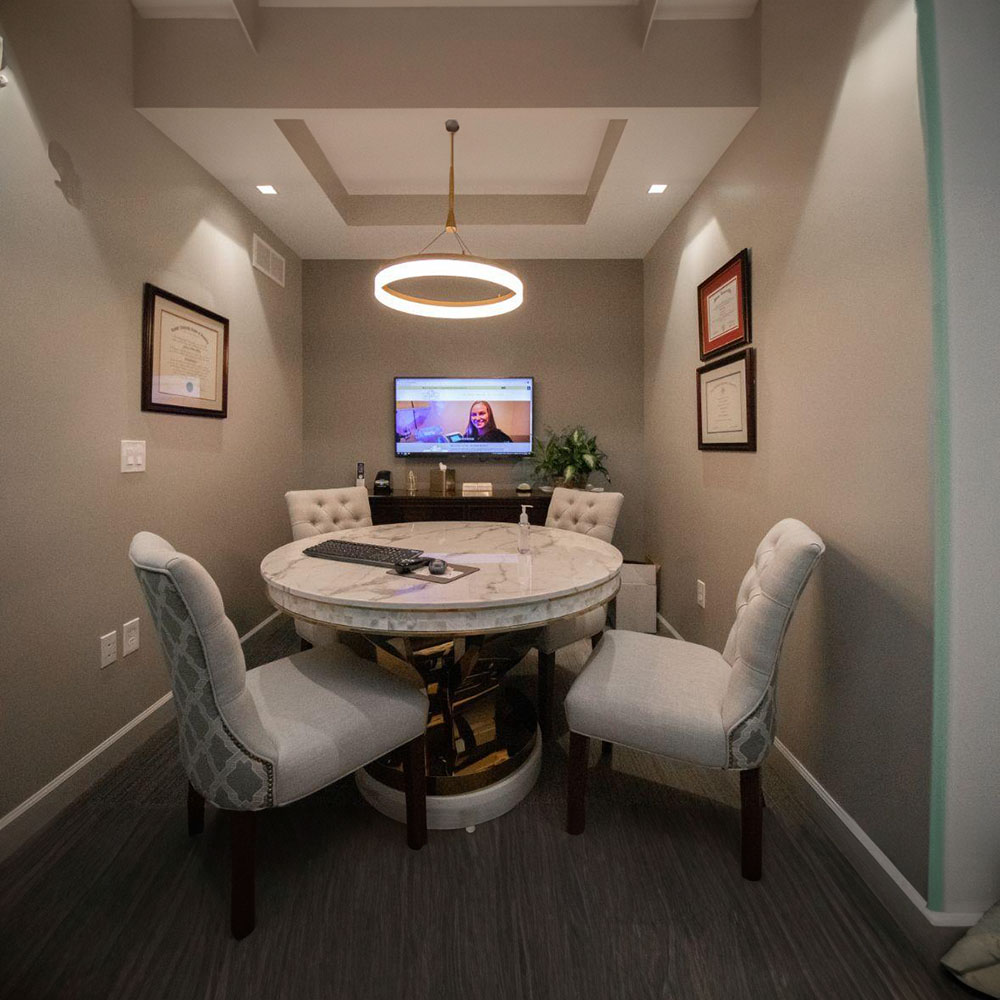
The path to a restored, high-functioning smile is a journey of precision, and it begins with a single, focused conversation. We invite you to experience the intersection of clinical mastery and uncompromising luxury at The Haddon Dentist. Whether you are seeking the immediate results of CEREC® same-day crowns, exploring the life-changing benefits of dental implants, or ready to revitalize your aesthetic with professional teeth whitening, we are here to curate a plan tailored exclusively to you. Your time is your most valuable asset, and we cherish the opportunity to provide the elite care you deserve in an environment that respects your comfort and your goals.