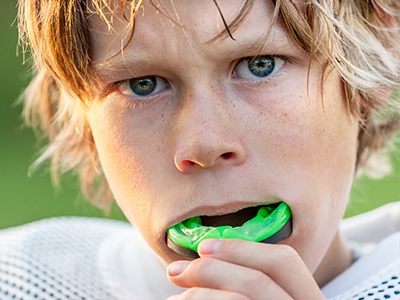
Sports-related impacts are a common cause of dental injury, from chipped or avulsed teeth to soft-tissue cuts and jaw trauma. While full-contact sports carry an obvious risk, even non-contact activities can lead to accidents when a player falls or is struck by equipment. A properly fitted mouthguard serves as a simple, effective barrier that reduces the force transmitted to teeth and the surrounding structures during an impact.
Beyond protecting enamel and restorative work, mouthguards help reduce the chance of soft-tissue lacerations to lips, cheeks, and the tongue. In higher-energy collisions, a mouthguard can also play a role in absorbing and dispersing shock, lowering the likelihood of more extensive facial injuries. For parents, coaches, and athletes, the decision to use a mouthguard is one of the most practical steps toward preventing an avoidable dental emergency.
Understanding how mouthguards function — cushioning blows, stabilizing the jaw, and keeping teeth from contacting one another — makes it easier to choose the right option for a given sport or age group. Safety guidelines from athletic organizations recommend protective oral gear for many youth and adult sports; adopting consistent mouthguard use is simply a matter of sensible preparation.
There are three broad categories of mouthguards available today: stock (ready-to-wear) options, boil-and-bite styles, and custom-made appliances from a dental office. Stock mouthguards are inexpensive and available at sporting goods stores, but their loose fit often compromises protection and comfort. Boil-and-bite guards improve fit by softening in hot water and molding to the teeth, offering a middle ground between convenience and personalization.
Custom mouthguards are crafted from impressions taken in a dental office and are tailored to an individual's dental anatomy and athletic needs. Because they are produced to exact dimensions, custom guards typically provide the best balance of protection, retention, and comfort. They also allow for design choices — such as enhanced thickness in impact zones or integrated breathing channels — that off-the-shelf products cannot match.
When evaluating options, consider the sport’s level of contact, frequency of use, and any dental restorations or appliances in the mouth. While a quick, store-bought guard may be suitable for occasional use, athletes who compete regularly or play high-impact sports are likely to benefit most from a professionally fitted device.
Orthodontic treatment and removable dental appliances create unique challenges for protective gear. Braces can be sharp and pose a higher risk of soft-tissue injury, so patients with fixed appliances often require a mouthguard that offers additional cushioning and coverage. A well-designed custom guard will accommodate brackets and wires while minimizing movement and friction that could lead to irritation.
For children and adolescents, fit and compliance are central concerns. Younger athletes need guards that are comfortable enough to wear consistently and robust enough to withstand growth and active play. Regular check-ins with a dental professional ensure that the mouthguard continues to fit properly as teeth erupt and dental arches change.
Performance considerations also matter. A mouthguard should protect without impeding breathing, speaking, or endurance. Modern designs focus on low-profile profiles and secure retention so that athletes can communicate clearly and maintain optimal airflow during play. Selecting the right mouthguard is therefore a balance between protective coverage and functional performance on the field or court.
Custom mouthguards begin with a careful assessment of the athlete’s oral anatomy and sport-specific needs. After documenting bite relationships and any existing dental work, the dentist captures an impression or digital scan of the teeth. This record is used to create a mouthguard that conforms precisely to tooth contours, bite forces, and soft-tissue landmarks, delivering superior stability compared with generic alternatives.
Materials, thickness, and construction technique are chosen based on the level of contact and the athlete’s individual requirements. For example, multi-layered materials can combine a soft inner layer for comfort with a firmer outer layer for impact resistance. For athletes who clench or grind, the guard can be designed with occlusal features that manage forces without sacrificing protection.
The result is a device that fits comfortably, stays in place during rigorous movement, and provides consistent protection over time. Because it is created specifically for the wearer, a custom mouthguard is less likely to interfere with breathing or speech and is typically easier to tolerate during extended use.
The office of The Haddon Dentist offers a full-service approach to custom mouthguards, ensuring each appliance is fabricated with clinical oversight and adjusted for optimal fit. Our focus is on durable protection that athletes will actually wear — a key factor in preventing injuries before they happen.
Proper care extends the useful life of any mouthguard and helps prevent hygiene issues. Rinse the appliance after each use with cool water and brush it gently using a toothbrush and mild, non-abrasive toothpaste or soap. Avoid hot water, which can deform thermoplastic materials, and never place a mouthguard near heat sources where it could lose its shape.
Storage is equally important: keep the mouthguard in a ventilated case to allow it to dry and to protect it from crushing or contamination. Regularly inspect the device for signs of wear, thinning, or distortion. Small tears, compressed areas, or changes in fit indicate that the guard’s protective qualities may be diminished and that evaluation or replacement is warranted.
Athletes should bring their mouthguard to routine dental appointments so the clinician can confirm fit and function. Changes in dental restorations, orthodontic treatment, or jaw alignment can all affect how a guard performs. When a replacement is needed, a new custom appliance ensures continued protection and comfort tuned to the athlete’s current dental condition.
Mouthguards are a straightforward, evidence-based way to reduce the risk of dental and facial injuries in sport. Choosing the right type of appliance — and caring for it correctly — can protect teeth, preserve restorative work, and help athletes stay in the game. Whether you’re protecting a child, a weekend warrior, or a competitive athlete, attention to fit and function makes all the difference.
If you’d like to learn more about custom mouthguards or to discuss which option is best for your needs, please contact us for more information. The Haddon Dentist and our clinical team are here to help you protect your smile with professional guidance and tailored solutions.


A sports mouthguard is a removable oral appliance designed to absorb and disperse forces from impacts to the mouth and face. It creates a protective barrier between the teeth, soft tissues and underlying bone to reduce the risk of chipped, fractured or avulsed teeth. By stabilizing the jaw and preventing direct tooth-to-tooth contact, a properly fitted guard also lowers the chance of soft-tissue lacerations and reduces shock transmission to the jaw joints.
Because mouthguards alter how force is distributed across the dentition and facial structures, they can decrease the severity of dental injuries that would otherwise require emergency care or restorative treatment. Different sports and levels of play expose athletes to varying impact patterns, so the design and thickness of the guard influence its protective qualities. Consistent use is the most important factor in realizing these protective benefits during practices and games.
There are three common categories of mouthguards: stock (ready-to-wear), boil-and-bite, and custom-made devices fabricated by a dental professional. Stock guards are preformed and inexpensive but tend to fit poorly, which can compromise retention and protection. Boil-and-bite guards soften in hot water and are molded at home for a better fit, representing a compromise between off-the-shelf convenience and individualized form.
Custom mouthguards are made from impressions or digital scans taken in a dental office and are crafted to the athlete’s exact anatomy and performance needs. These appliances typically offer superior retention, comfort and targeted protection because clinicians can vary material thickness and add features like breathing channels or reinforced impact zones. Choosing between options should consider frequency of use, level of contact and any existing dental restorations or appliances.
Competitive athletes benefit most from custom mouthguards because these devices are tailored to deliver optimal protection, retention and comfort for high-intensity activity. Custom fabrication allows clinicians to thicken impact zones, incorporate multi-layer materials and shape occlusal surfaces to manage bite forces, which improves shock absorption and reduces the risk of injury. A secure fit reduces distraction and the need to adjust the guard during play, increasing the likelihood that athletes will wear the device consistently.
In addition to protection, custom guards can be designed to preserve breathing and speech, important considerations for endurance and communication on the field. They also accommodate dental restorations and prosthetic work more predictably than off-the-shelf options, minimizing the risk that a guard will dislodge or cause damage. For athletes who wear a guard regularly or who participate in contact sports, the clinical advantages of a custom appliance are significant.
The custom fabrication process begins with a clinical assessment of oral anatomy, bite relationships and any dental restorations or orthodontic appliances. The clinician then captures an impression or digital scan of the teeth, which serves as the precise record used to design the guard to individual contours and occlusal dynamics. Material selection and construction technique are chosen based on the athlete’s sport, contact level and functional needs, such as added reinforcement or breathing channels.
Once the appliance is fabricated, the clinician adjusts and refines the fit chairside to ensure stability, comfort and proper airway clearance during use. Final polishing and patient education about insertion, removal and maintenance complete the visit so the athlete understands how to use and care for the guard. For many athletes, this clinical oversight results in a device that is easier to tolerate and more effective than mass-produced alternatives.
Yes. Athletes with braces or fixed orthodontic appliances can and should wear mouthguards, but their needs differ from those without orthodontic work. Braces present sharp edges and increased soft-tissue risk, so a mouthguard for a patient in active orthodontic treatment needs extra cushioning and space to accommodate bracket profiles without excessive pressure. A custom-designed guard can be fabricated to fit over brackets and wires while minimizing movement and irritation.
Patients in removable orthodontic treatment should remove aligners before play and use a guard designed for the untreated dentition or the current stage of treatment. Regular re-evaluation is important because tooth movement changes fit; guards made early in treatment may require replacement or modification as teeth shift. Working with your dental clinician ensures the guard remains protective and compatible with ongoing orthodontic care.
Rinse your mouthguard with cool water immediately after each use to remove saliva and debris, then gently brush it with a soft toothbrush and mild, non-abrasive soap or toothpaste. Avoid hot water, dishwashers or direct heat sources that can warp thermoplastic materials and change fit. Periodic soaking in an antimicrobial mouthwash or a manufacturer-recommended cleaning solution can help control odors and bacterial buildup, but follow product instructions to avoid material degradation.
Store the guard in a ventilated, rigid case to allow drying and to protect it from crushing or contamination between uses. Keep the case clean and allow the appliance to air-dry before storing to limit microbial growth. Bring your guard to routine dental visits so the clinician can inspect it for wear and confirm that it still fits properly.
Inspect your mouthguard regularly for signs of wear such as thinning, small tears, compressed areas or changes in fit; any of these indicate the device’s protective ability may be compromised. A mouthguard that becomes loose, warped or uncomfortable should be evaluated promptly because an improper fit reduces retention and can increase injury risk. Athletes in active orthodontic treatment, growing children and those with new dental restorations may need replacements more frequently due to changes in tooth position or oral anatomy.
Routine dental appointments are an opportunity for the clinician to assess fit and function and recommend replacement when necessary. For high-use athletes, a schedule for periodic replacement—based on material type and observed wear—helps ensure continuous protection. Promptly addressing damage or fit issues preserves the guard’s effectiveness and the athlete’s safety during play.
A well-fitted mouthguard should not significantly impede breathing, communication or athletic performance. Modern designs emphasize low profiles and secure retention so athletes can maintain airflow and speak effectively while wearing the device. Custom guards are particularly effective at balancing protection with functional performance because clinicians can incorporate breathing channels and contour occlusal surfaces to reduce interference with respiration.
If an athlete feels they cannot breathe comfortably with a mouthguard in place, the device may be ill-fitting or improperly fabricated and should be adjusted by a dental professional. Training with the guard during practices helps athletes acclimate and minimizes distraction during competition. Prioritizing a secure, comfortable fit preserves both safety and performance on the field.
Effective mouthguards often use layered materials that combine a softer inner layer for comfort and retention with firmer outer layers for impact resistance. Thermoplastic polymers and laminated constructions are common choices because they can be shaped accurately and tuned for stiffness where needed. Reinforced impact zones, variable thickness profiles and integrated occlusal features help manage force distribution and protect vulnerable areas of the dentition.
Advanced fabrication techniques allow customization of material properties to address specific athlete behaviors such as clenching or grinding, and clinicians can incorporate design elements to support breathing and speech. The selection of materials and construction method should be based on the sport’s contact level and the athlete’s individual needs to ensure the best balance of protection, durability and comfort.
Start by contacting the office to schedule an evaluation so the clinician can assess your dental anatomy, any restorations or orthodontic appliances, and the demands of your sport. During the appointment we will document bite relationships and take an impression or digital scan to create a precise record for fabrication, then discuss material and design options that match your activity level and breathing needs. Clinical oversight during design and fit adjustments helps ensure the finished appliance is stable, comfortable and performs reliably.
After the guard is fabricated and fitted, we will provide instructions on insertion, removal, cleaning and storage, and schedule follow-up checks as needed to confirm ongoing fit. Bringing the mouthguard to routine dental visits allows us to monitor wear and recommend replacement or modification when tooth position or restorations change. Our goal is to deliver a protective solution that athletes will accept and wear consistently to reduce the risk of preventable dental injury.
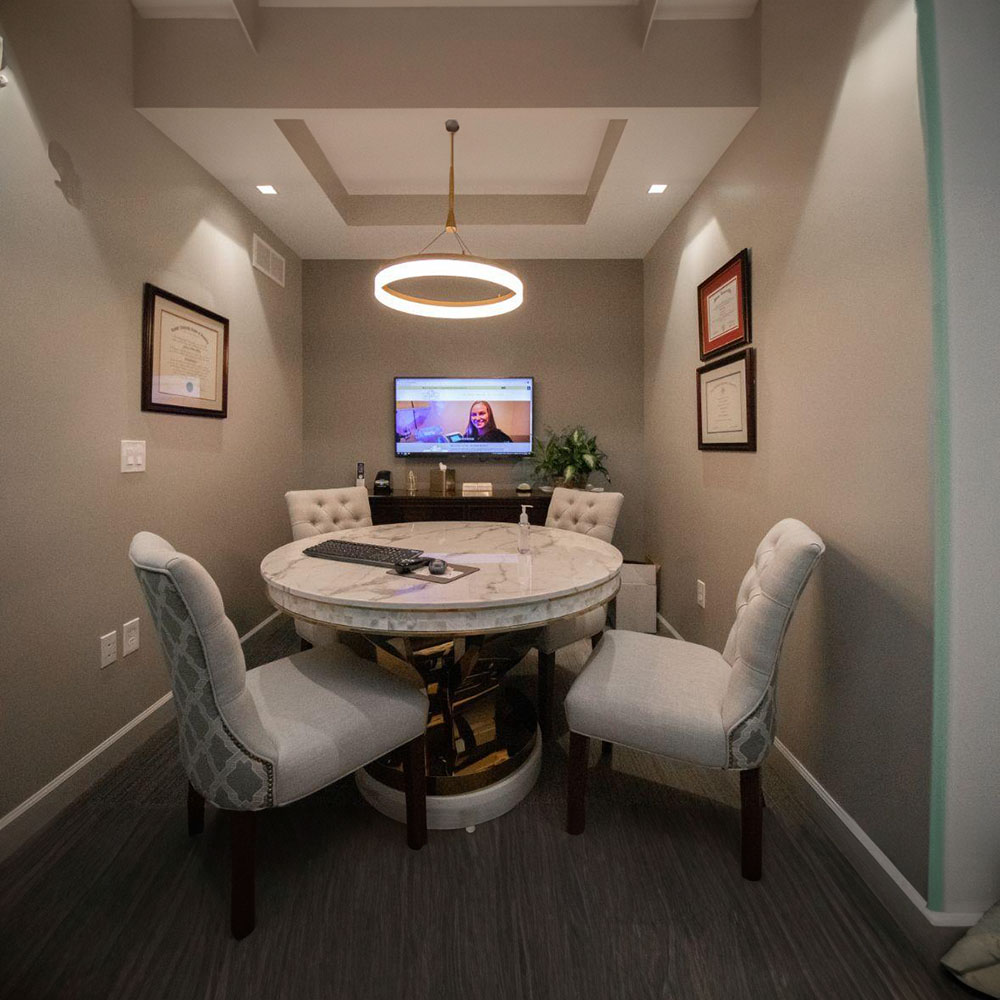
The path to a restored, high-functioning smile is a journey of precision, and it begins with a single, focused conversation. We invite you to experience the intersection of clinical mastery and uncompromising luxury at The Haddon Dentist. Whether you are seeking the immediate results of CEREC® same-day crowns, exploring the life-changing benefits of dental implants, or ready to revitalize your aesthetic with professional teeth whitening, we are here to curate a plan tailored exclusively to you. Your time is your most valuable asset, and we cherish the opportunity to provide the elite care you deserve in an environment that respects your comfort and your goals.